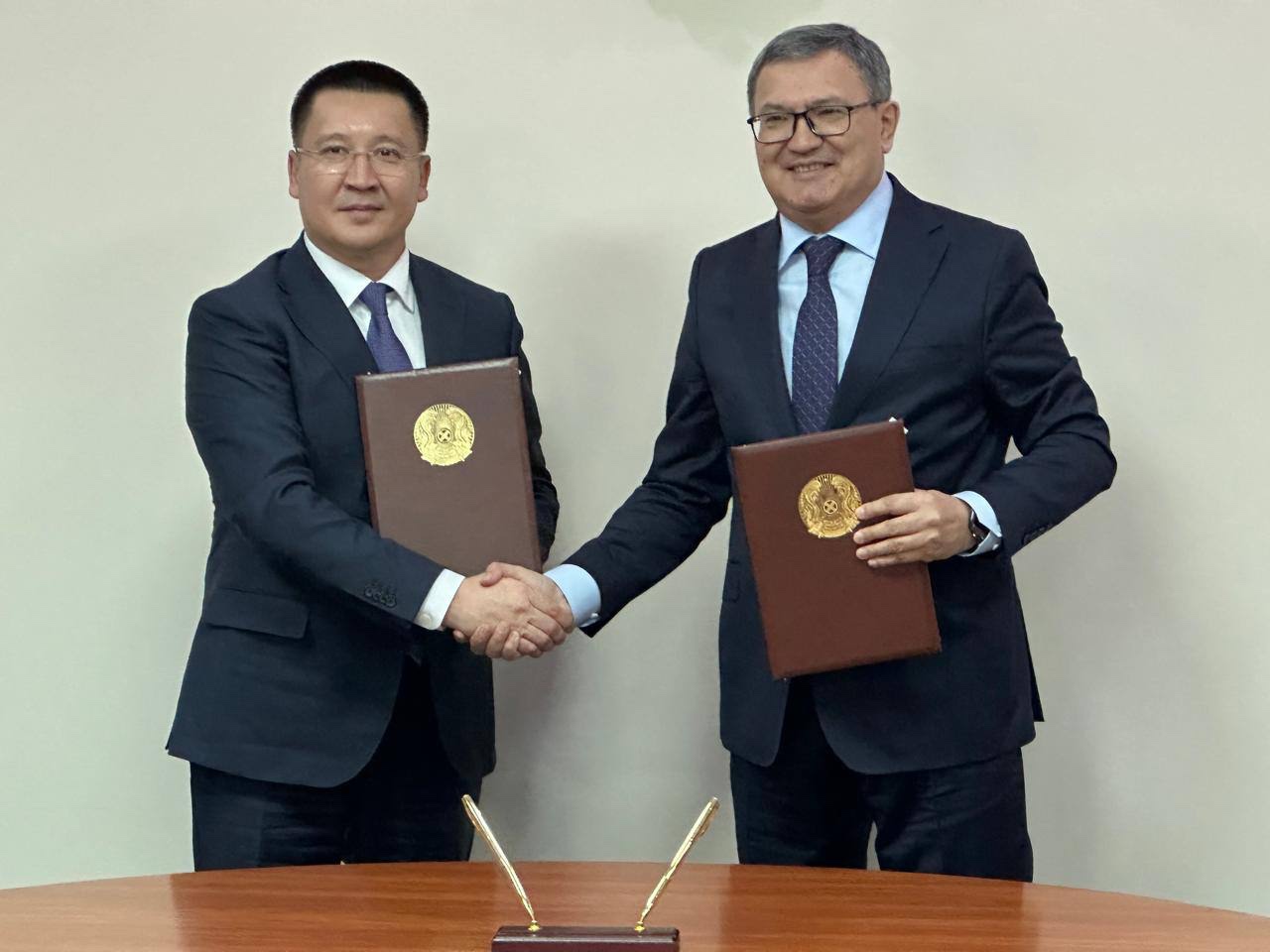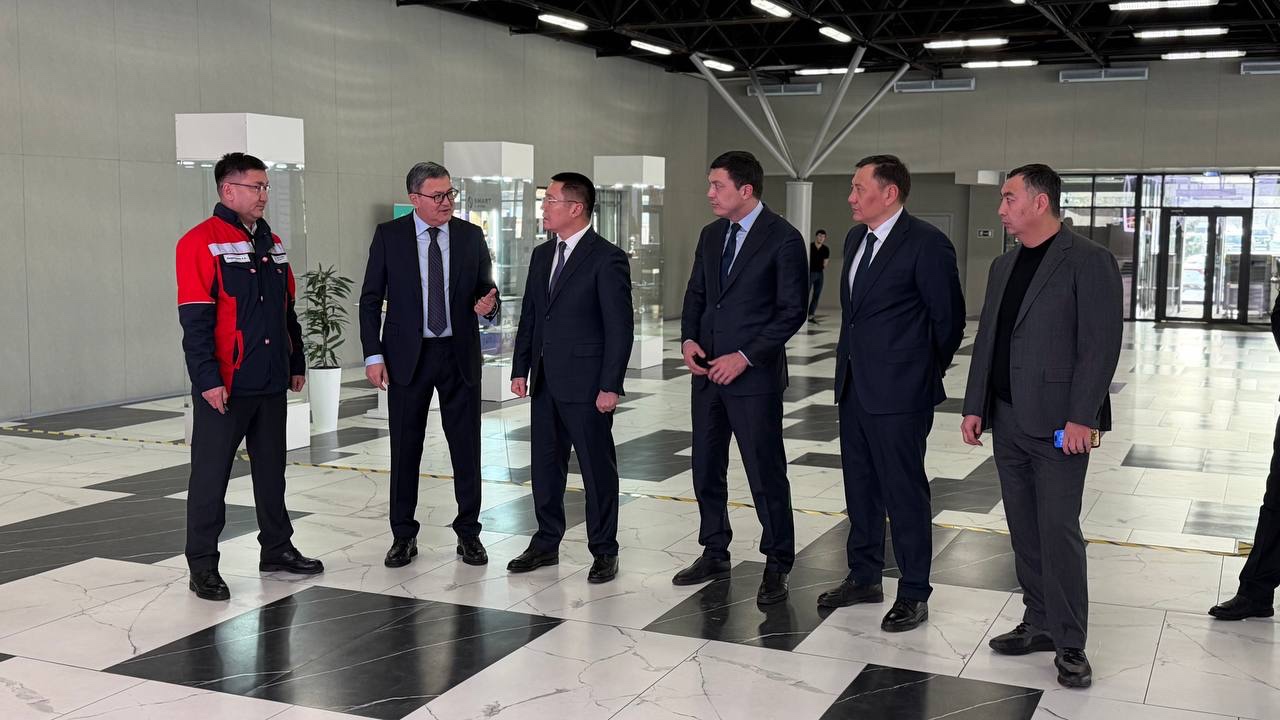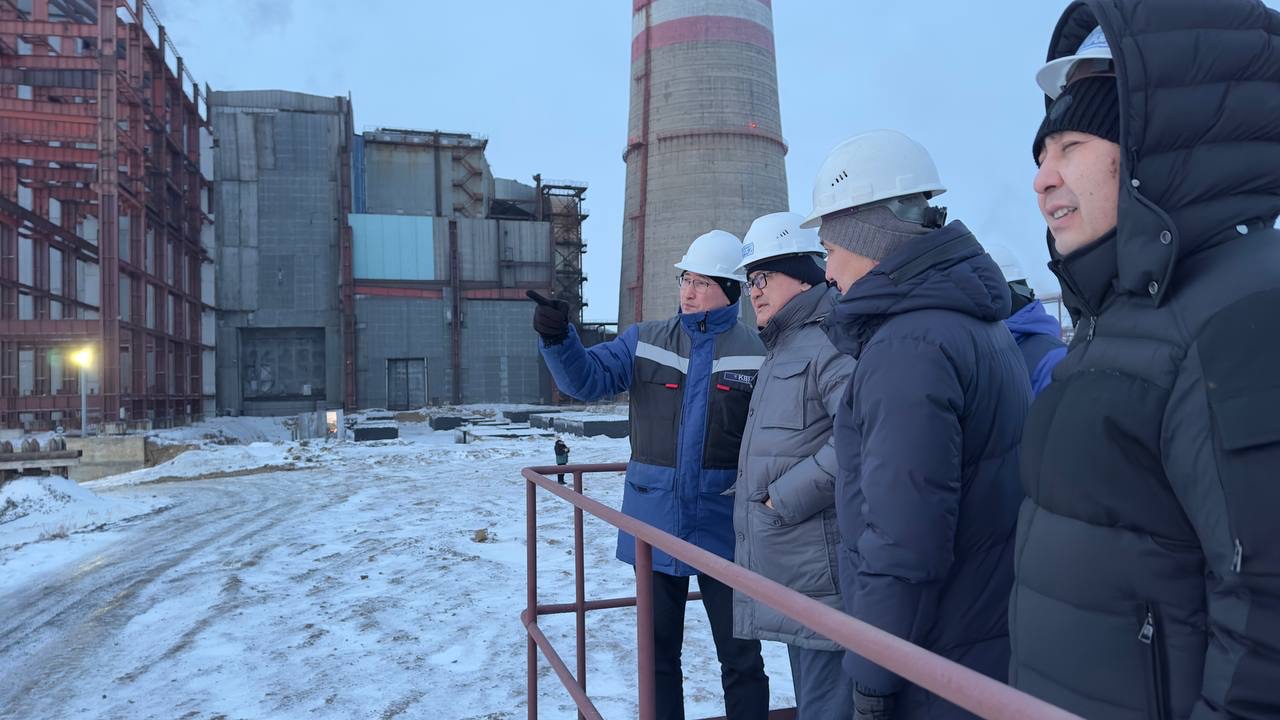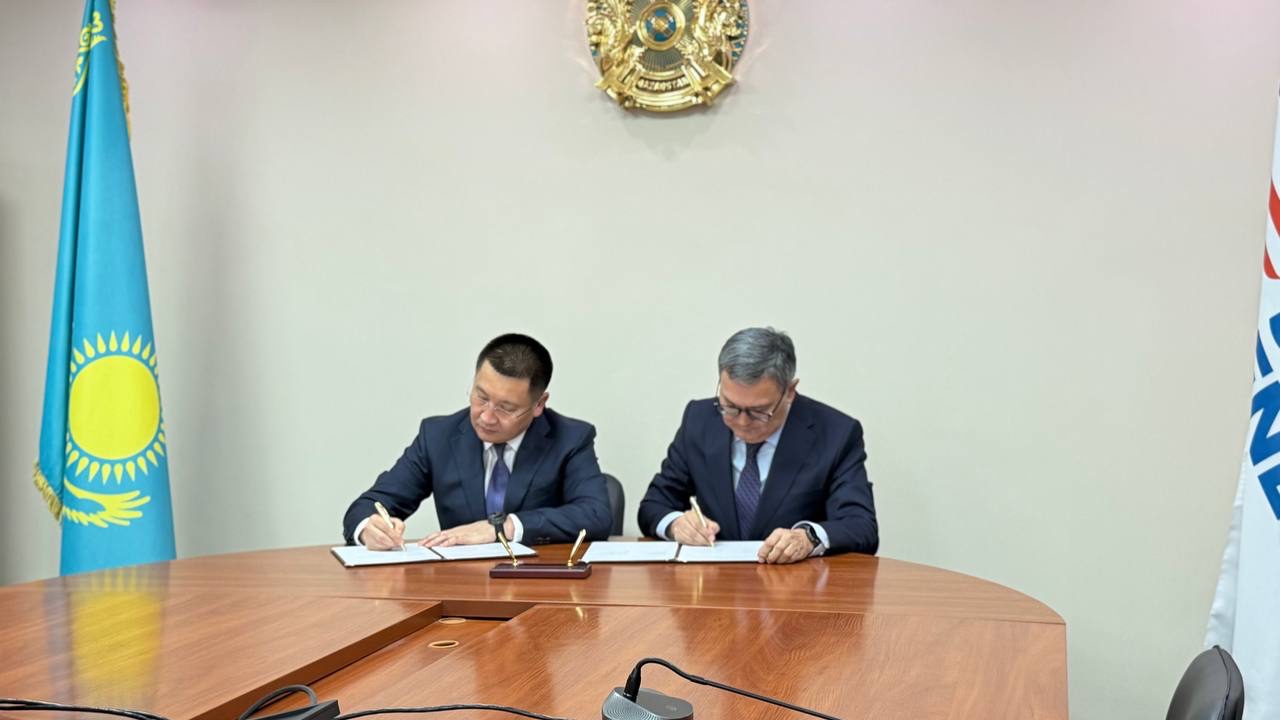


Chairman of the Management Board of Samruk-Energy JSC, Kairat Maxutov, and the Mayor of Pavlodar region Asain Baikhanov visited the Ekibastuz energy hub, where they reviewed the implementation of investment projects and signed a Memorandum of Cooperation.
During the visit, Kairat Maxutov and Asain Baikhanov discussed the progress of the autumn–winter operating period and preparations for the upcoming maintenance campaign. They were also briefed on the current status of key investment projects and considered long-term development priorities, including the modernization of Power Unit No. 3 and the digitalization of power units at Ekibastuz SDPP-1.
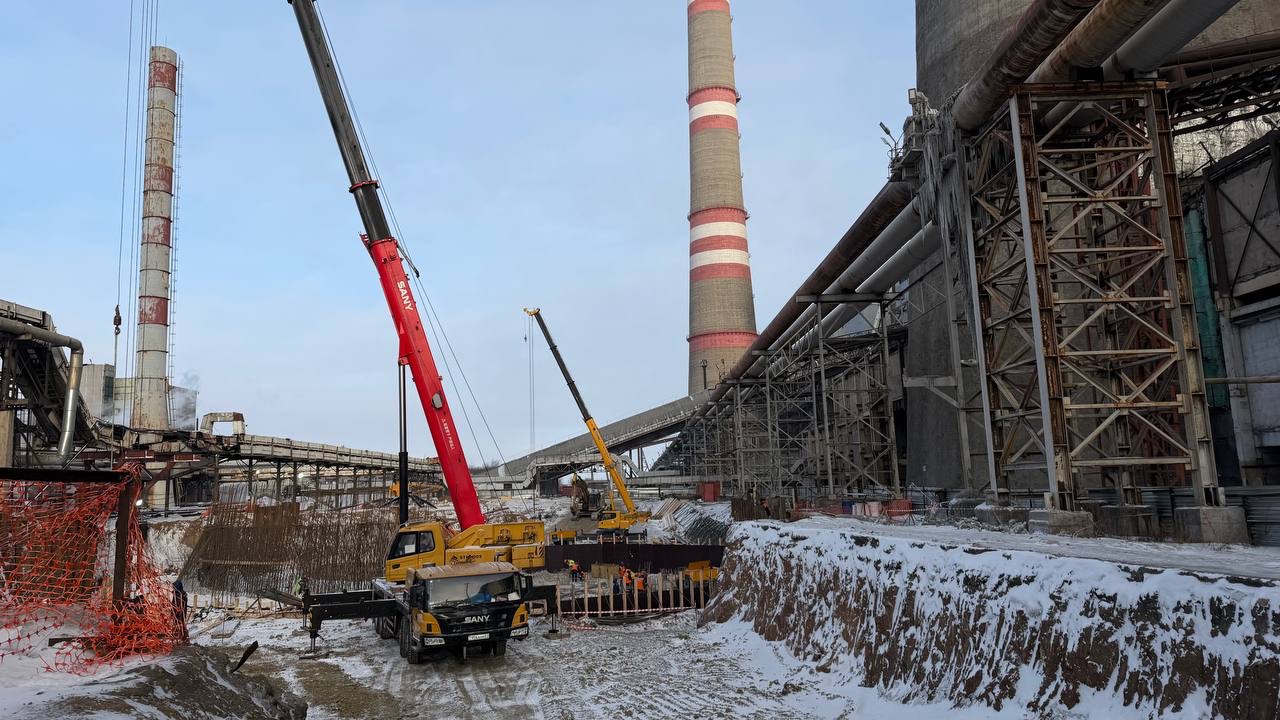
The head of Samruk-Energy and the regional Akim (mayor) visited the construction site of Ekibastuz SDPP-1, where they reviewed progress on the construction of a new smokestack. Excavation works and drilling of the main piles have been completed, and foundation works for the smokestack are currently underway.
The Chairman of the Management Board of Samruk-Energy also visited Ekibastuz SDPP-2, where he reviewed the implementation of the project to expand and modernize the power plant, including the installation of Power Unit No. 3.
Following the visit, Kairat Maxutov and Asain Baikhanov signed a Memorandum of Cooperation focused on the development of the region’s social infrastructure and the implementation of affordable housing initiatives.
As part of its corporate social responsibility commitments, Samruk-Energy JSC plans to develop a range of social facilities in Ekibastuz, including the construction of a multi-apartment residential building for employees of the Group, two kindergartens, a sports complex, and a modular administrative and amenity facility at the Ekibastuz CHP plant. The total investment in these projects is estimated at approximately KZT 20 billion.
In addition, the Company intends to allocate KZT 100 million annually to urban greening initiatives aimed at improving the city’s environmental conditions.
Samruk-Energy’s social initiatives are designed to enhance the quality of life of power plant employees, support young families, strengthen urban and social infrastructure, and build long-term human capital in the region.