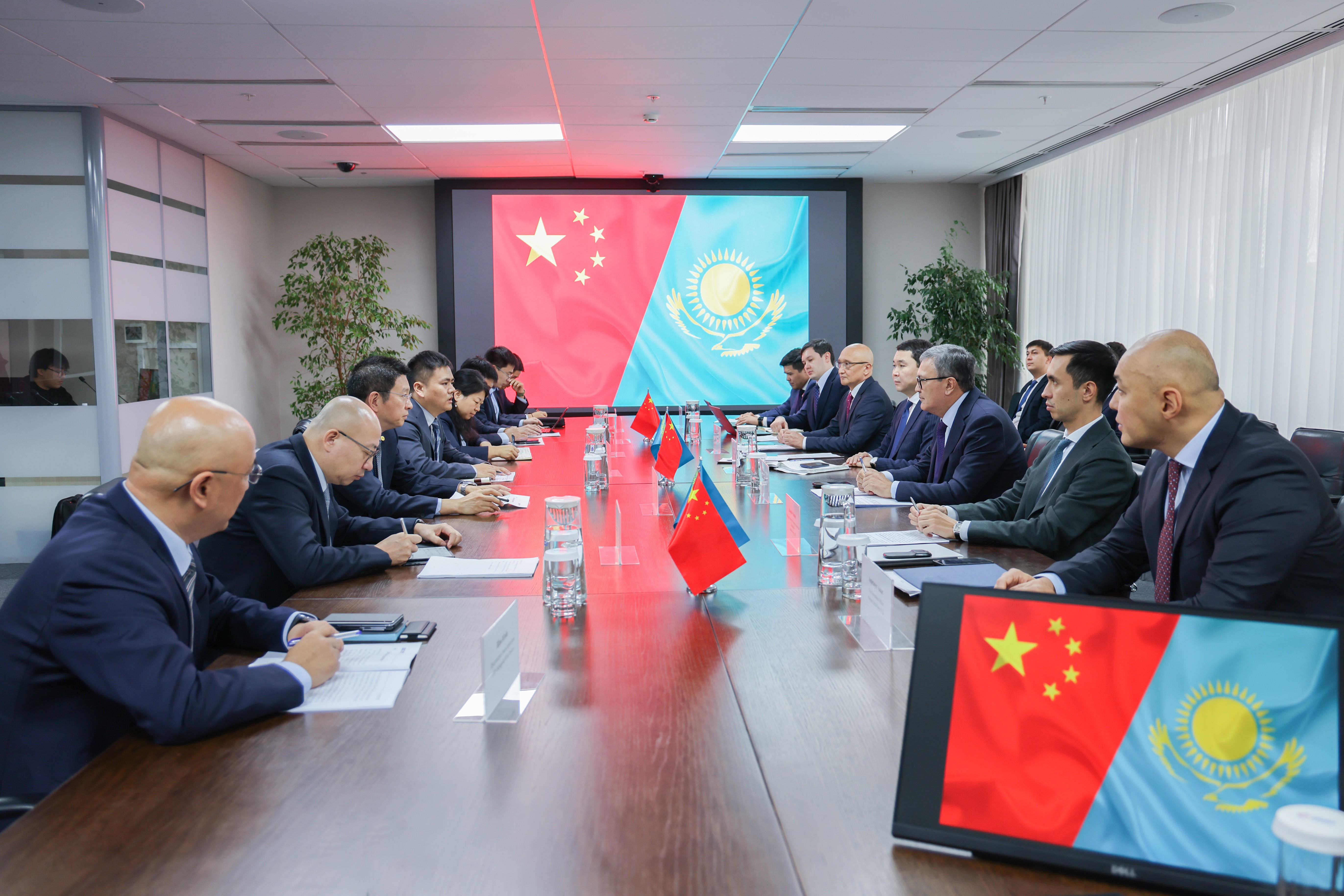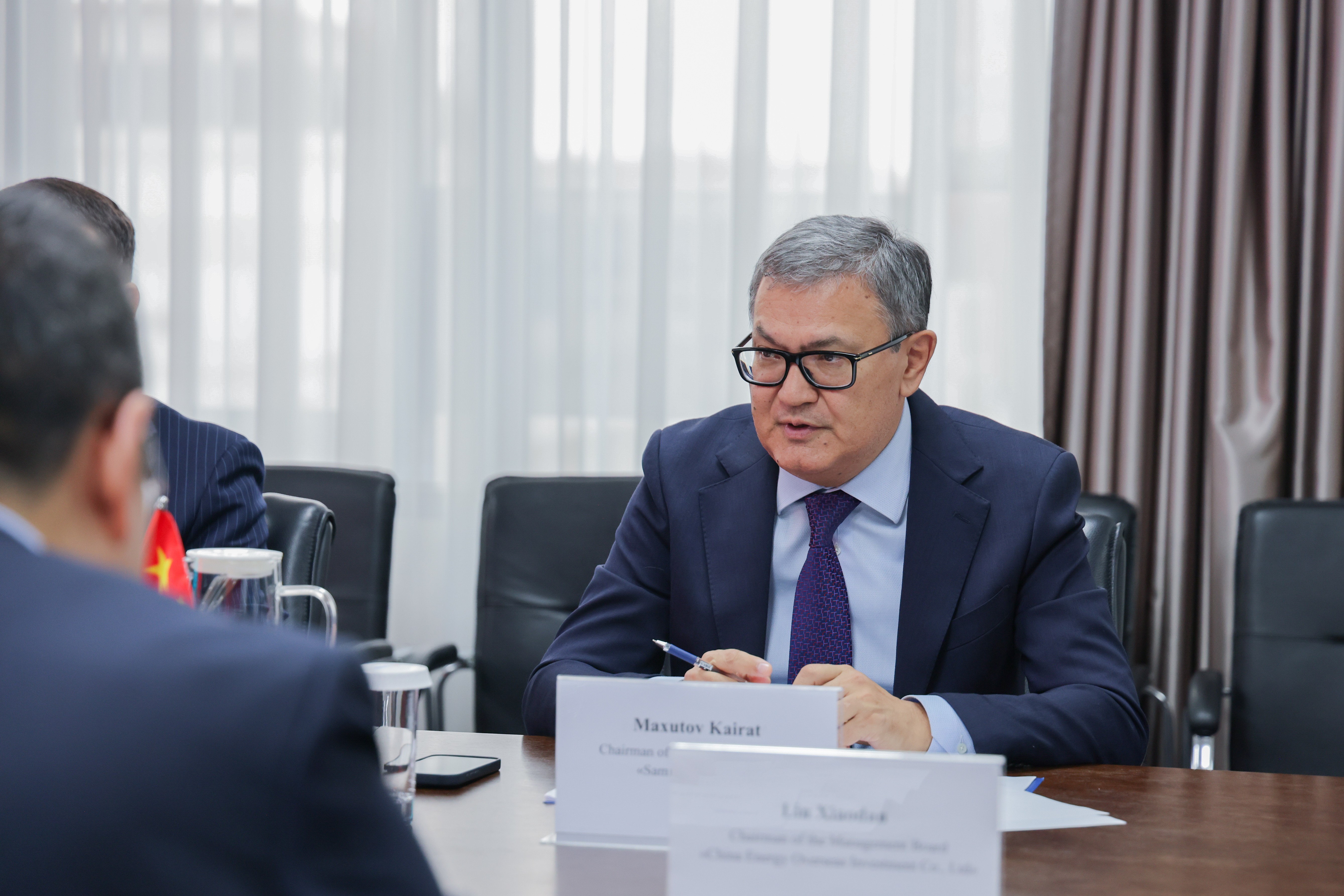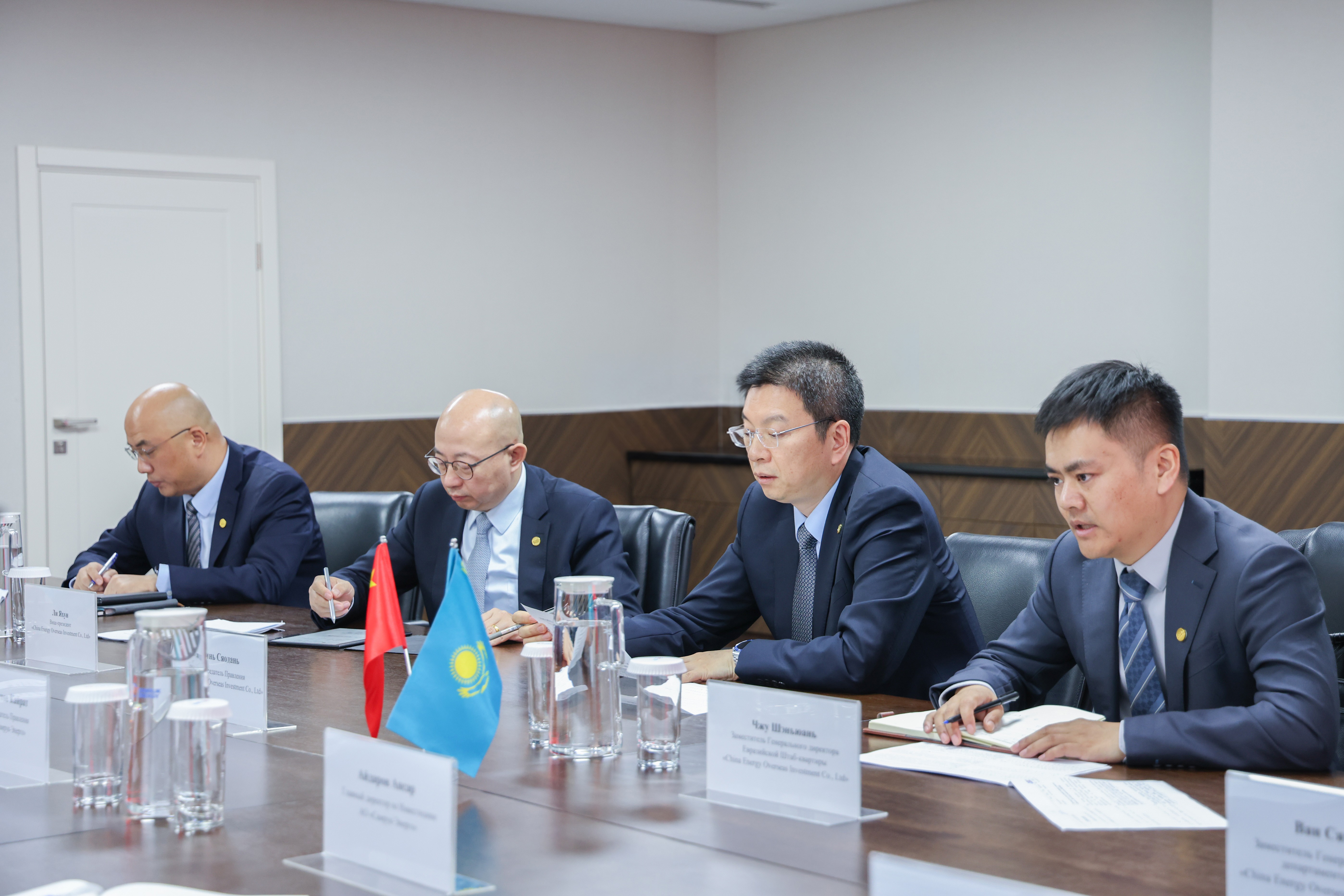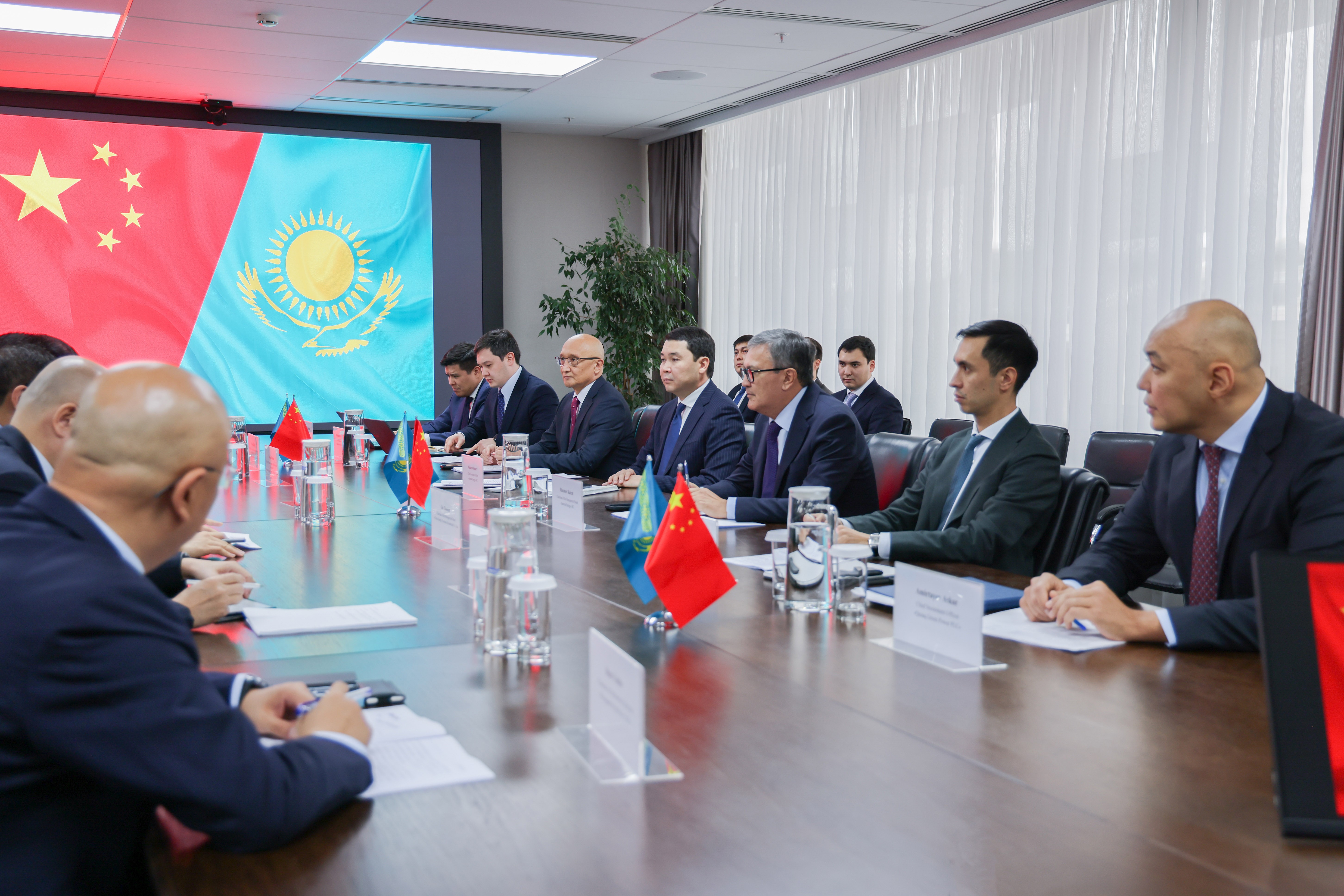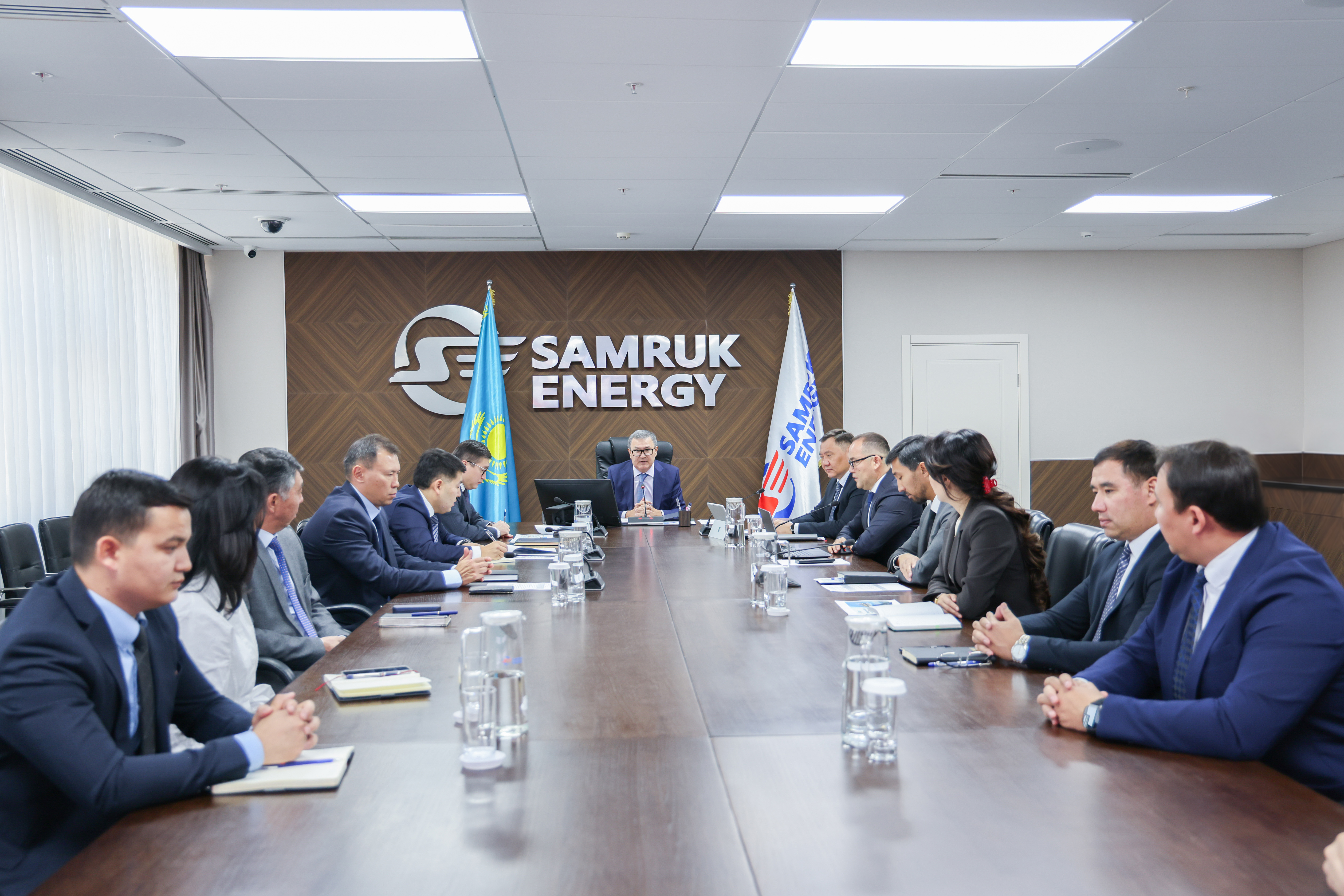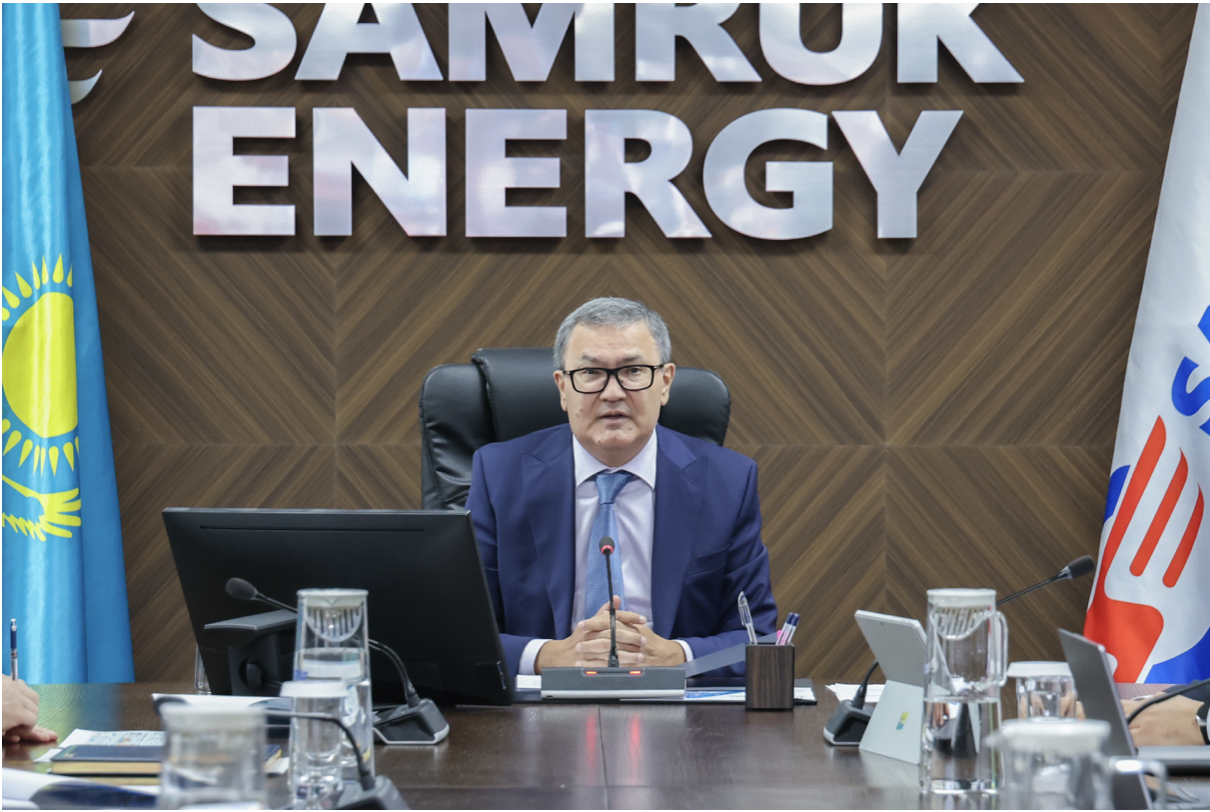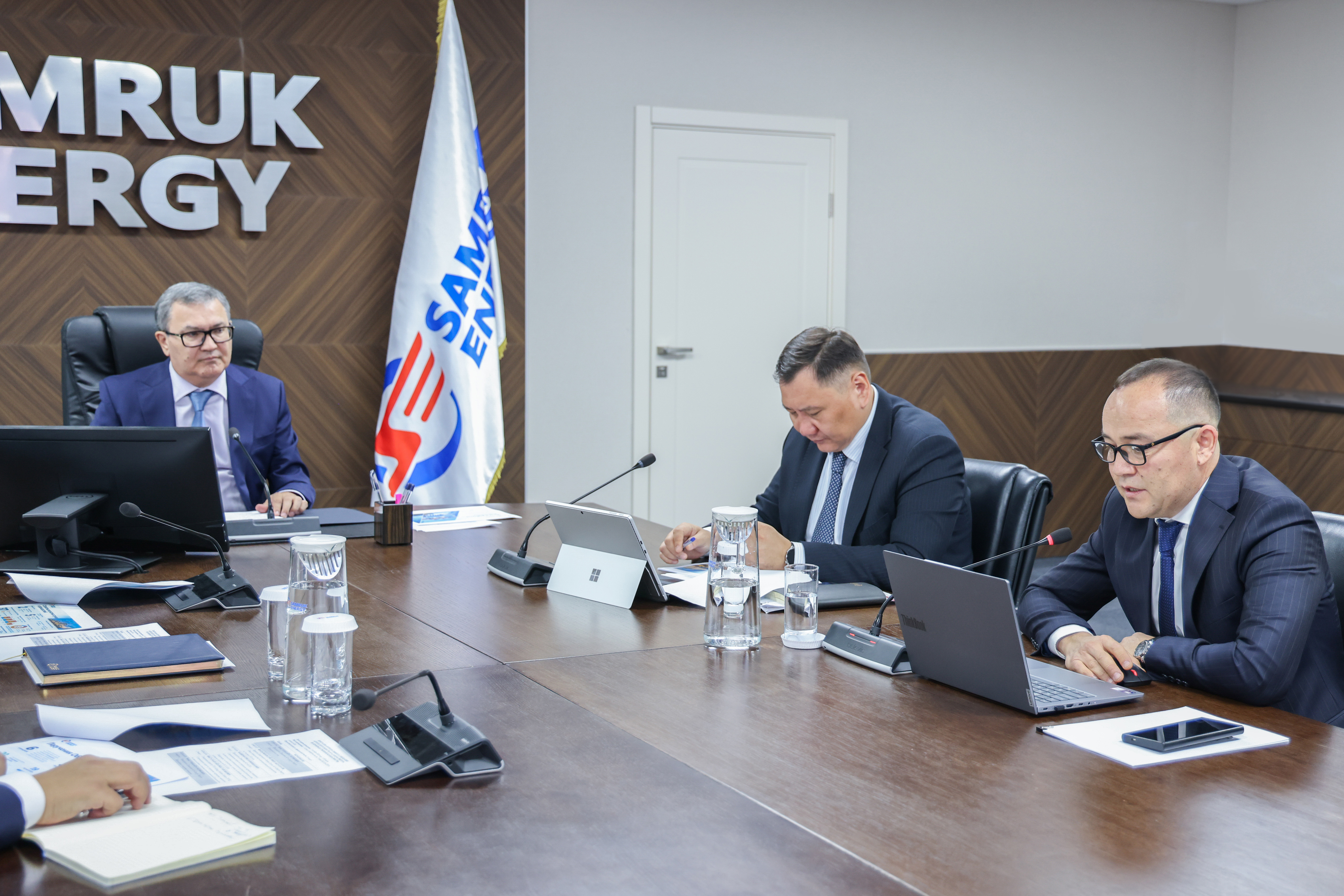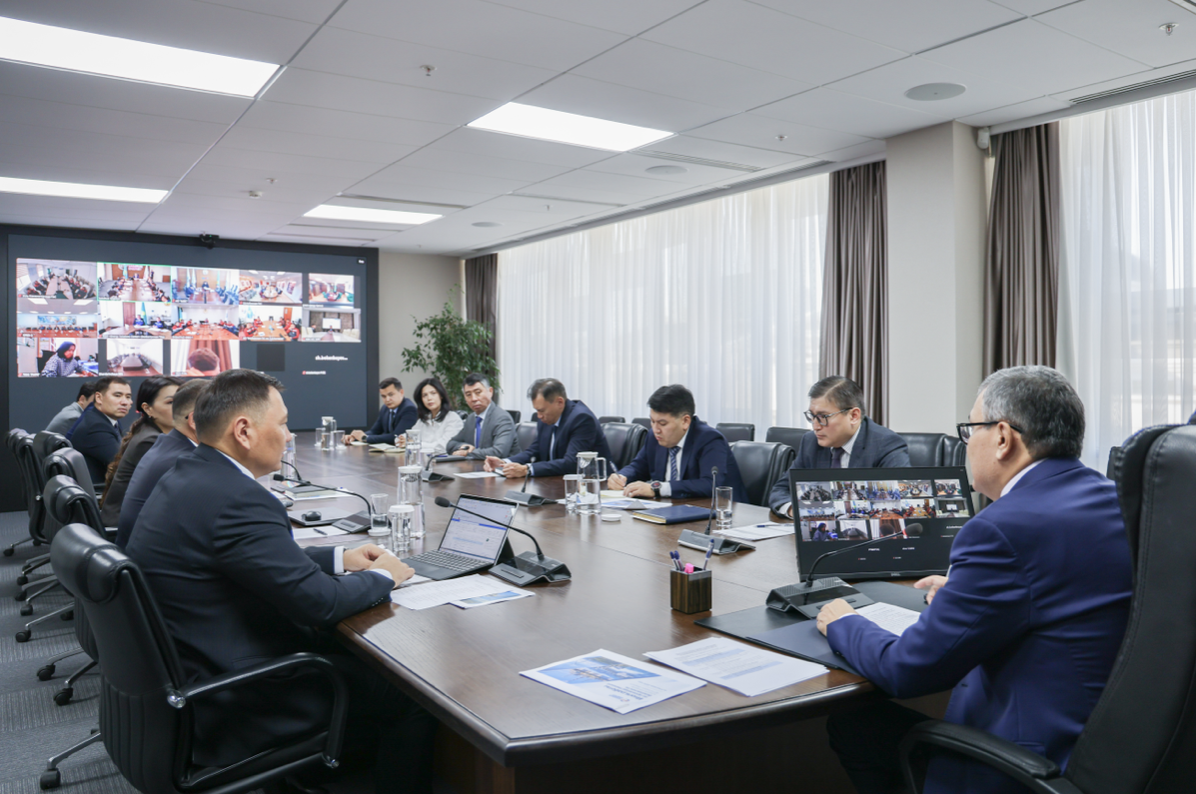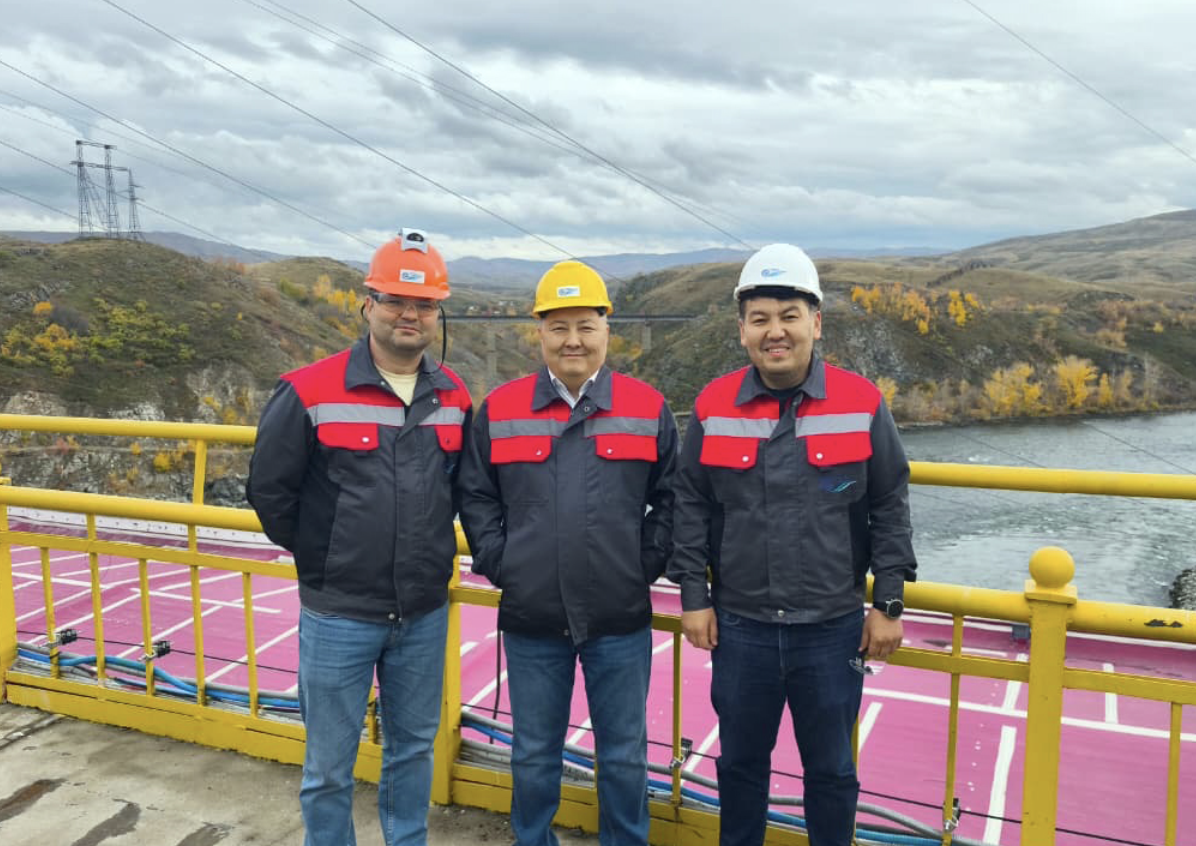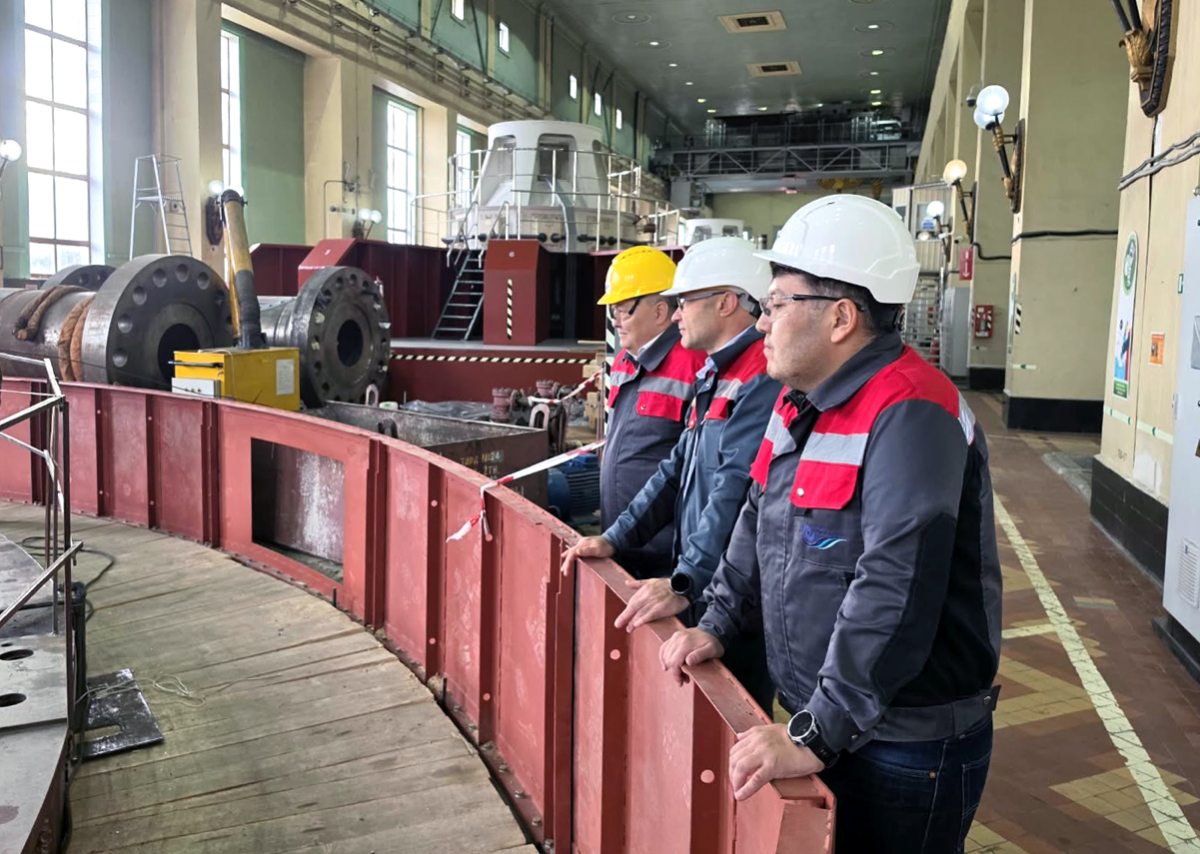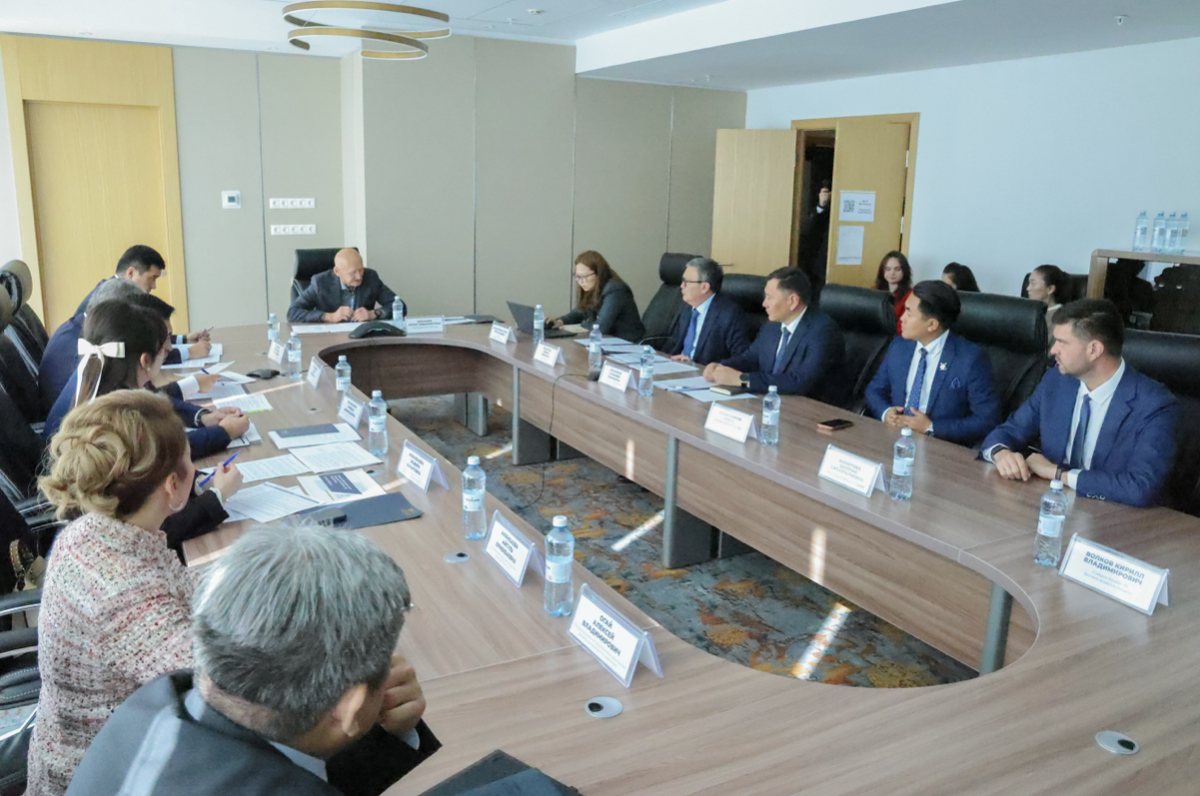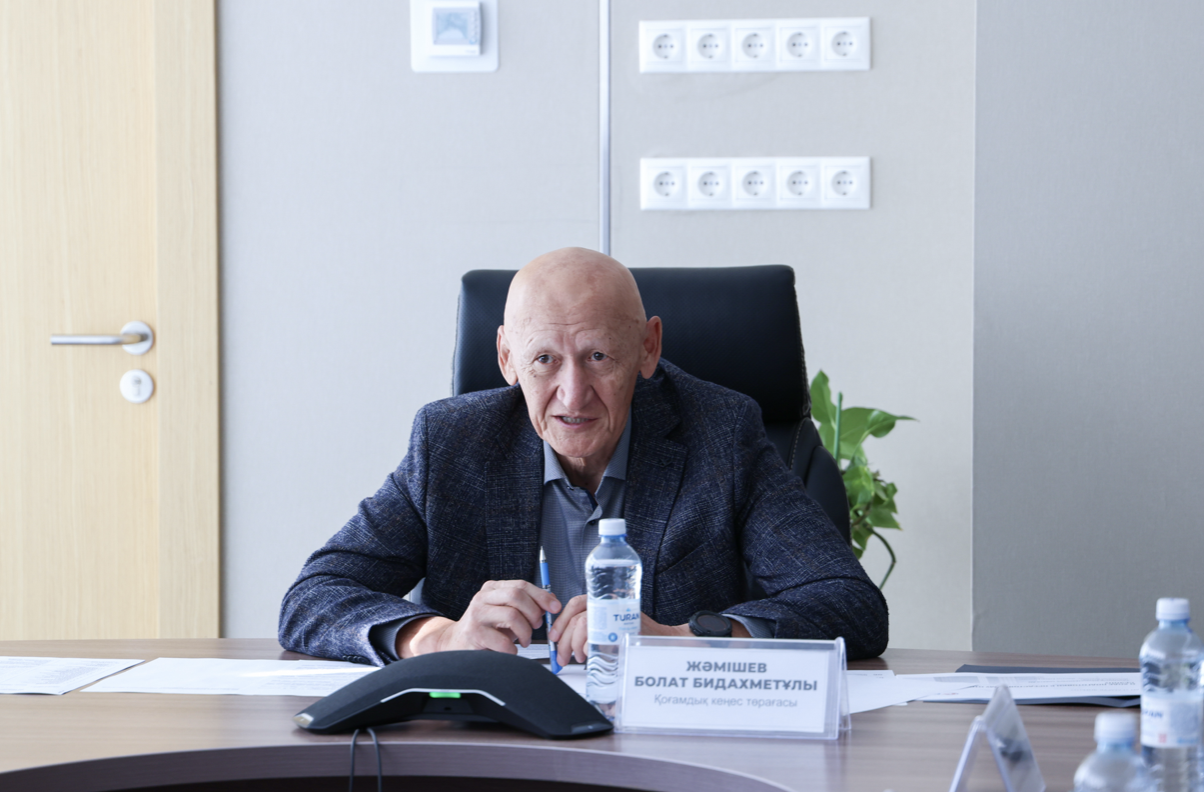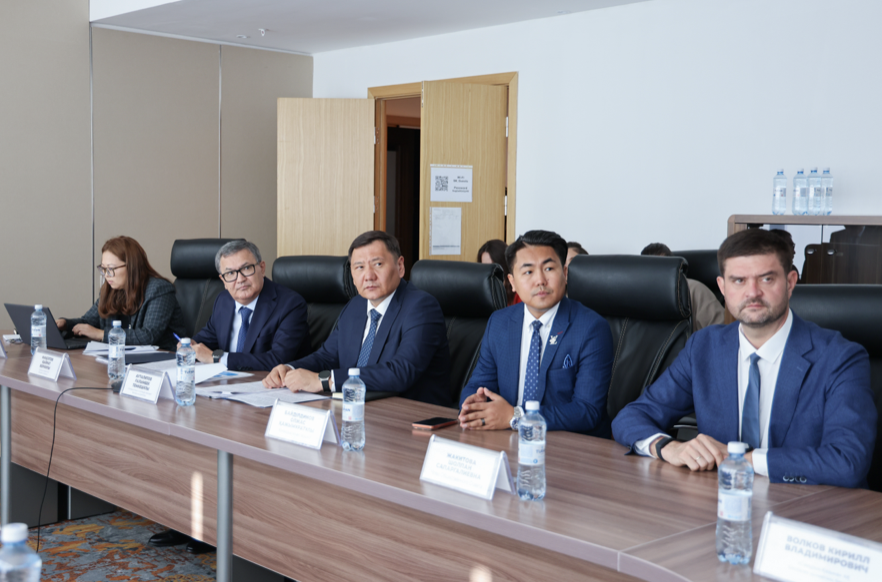
Samruk-Energy JSC held a meeting, chaired by the Company's Chairman of the Management Board, Kairat Maxutov, to review the Company's occupational health and industrial safety performance for the first six months of 2026.
No fatal workplace accidents were recorded across Samruk-Energy JSC's enterprises during the first half of the year, while the number of workplace incidents was reduced by half. The Lost Time Injury Frequency (LTIF) rate stood at 0.10, significantly below the established target level.
During the meeting, the Company's management analyzed the causes of workplace incidents and identified additional measures to prevent occupational injuries.
The participants also reviewed the results of corporate inspections and the implementation of digital solutions, including video analytics systems, smart helmets and the SKY chatbot.
During the second half of the year, priority will be given to further strengthening the safety culture and integrating artificial intelligence solutions into occupational health and safety processes.
Summarizing the meeting, Kairat Maxutov emphasized that industrial safety remains the Company's highest priority and that protecting the lives and health of employees requires the daily commitment of every manager and every employee. The heads of the Company's subsidiaries were instructed to strengthen preventive measures, minimize operational risks and ensure the safe execution of work.
Samruk-Energy JSC continues to expand the use of offtake contracts, one of the key instruments for supporting domestic manufacturers and implementing the Government's import substitution policy.
Under the Program for Supporting the Establishment of New Production Facilities implemented by Samruk-Kazyna JSC, Samruk-Energy Group concluded 13 offtake contracts with a total value of KZT 2 billion during the first half of 2026.
For comparison, during the same period in 2025, the Group concluded 14 offtake contracts with a total value of KZT 388 million. Thus, despite a comparable number of contracts, the total value of offtake contracts increased more than fivefold, reflecting the implementation of larger-scale projects and greater effectiveness in supporting the development of domestic manufacturing.
An additional incentive was the introduction of a key performance indicator for the heads of the Company's subsidiaries and affiliates for 2026 related to the conclusion of offtake contracts. The target requires such contracts to account for at least 10% of the total value of goods procurement contracts concluded.
Offtake contracts provide domestic manufacturers with a guaranteed market for their products, create conditions for modernizing production facilities, attracting investment, creating new jobs and manufacturing competitive products.
Samruk-Energy JSC will continue to expand cooperation with domestic manufacturers, contributing to the development of Kazakhstan's industrial capacity and strengthening the country's economy.
Moody's Ratings has assigned Samruk-Energy JSC a first-time investment-grade long-term issuer rating of Baa2 in both local and foreign currency, with a Stableoutlook. On the Fitch rating scale, this corresponds to a level two notches above the Company's current BB+ rating, which was previously affirmed by Fitch Ratings.
The investment-grade rating reflects Samruk-Energy JSC's strong financial position, solid market position, strategic importance to Kazakhstan's power system, and sustained growth in its operating performance.
According to Moody's, the Company operates in a supportive regulatory environment. Long-term tariff regulation, the capacity payment mechanism and the ability to revise tariffs provide predictable revenue streams and create favorable conditions for the implementation of the Company's large-scale investment program. Moody's also identifies growing electricity demand in Kazakhstan and the continuing shortage of power generation capacity as additional factors supporting the Company's resilience, helping maintain high utilization rates across its existing power plants.
Moody's also highlighted the scale and diversification of Samruk-Energy JSC's asset portfolio. The Company accounts for approximately one-third of Kazakhstan's installed generation capacity, is the country's largest owner of hydropower plants, is implementing renewable energy projects and continues to modernize its key production assets. The agency notes the Company's strong financial performance in recent years and expects its operating performance to strengthen further following the completion of its major investment projects.
The investment-grade rating assigned by Moody's confirms Samruk-Energy JSC's strong creditworthiness, strengthens confidence among international investors and financial institutions, and expands the Company's access to long-term financing for the implementation of strategic projects aimed at ensuring the energy security and sustainable development of the energy sector of the Republic of Kazakhstan.
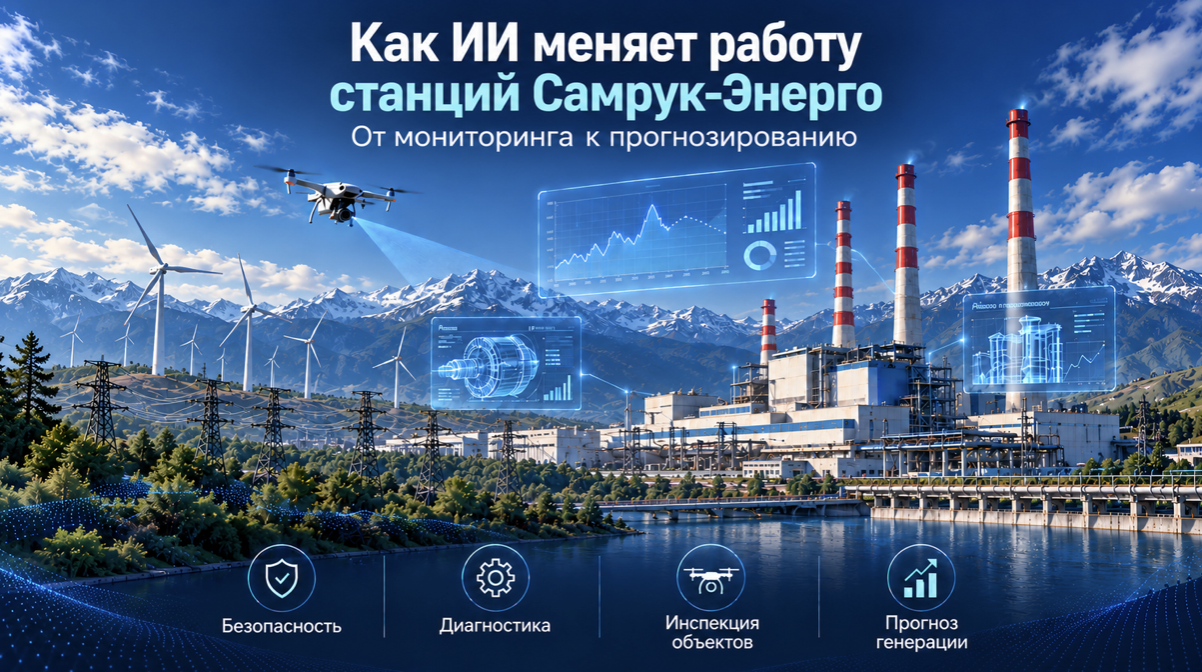
Samruk-Energy JSC is implementing artificial intelligence technologies to manage its energy infrastructure. Traditional methods of inspecting energy facilities require significant time, manual measurements and work in hazardous conditions.
The solution is an aerial monitoring system based on vehicles UAVs (unmanned aerial vehicles) and artificial intelligence. The system automatically analyses data, detects defects at an early stage and generates recommendations, improving equipment reliability and personnel safety.
The digital monitoring system covers four key areas:
Power transmission lines, transmission towers and transformers. UAVs inspect equipment while artificial intelligence detects defects and reduces inspection time by five to ten times.
Chimney inspections. Instead of five days of work at height, inspections take about two hours, eliminating the need for personnel to enter hazardous areas.
Coal stockpile monitoring and inventory. Aerial survey data is used to create three-dimensional models of coal stockpiles, while artificial intelligence automatically calculates stockpile volumes. Processing time has been reduced from 10 days to 20 minutes, with accuracy reaching 99%.
Hydraulic structure monitoring. The system analyses aerial imagery and thermal imaging data, detects the early signs of dam integrity issues and helps prevent operational risks.
The implementation of these solutions enables continuous digital monitoring of energy facilities, improving the reliability of operational processes and enhancing personnel safety.
Lyazzat Shamisheva, Director of the Artificial Intelligence and Digital Technologies Development Department at Samruk-Energy JSC, delivered a presentation at the UMAI Gas Women's Club forum, Skills. Opportunities. Leadership.
The forum provided a platform for discussing global trends shaping the labor market and the corporate environment, the skills needed for the future, and the role of artificial intelligence and digital technologies in the workplace.
During her presentation, Lyazzat Shamisheva showcased Samruk-Energy JSC's key artificial intelligence and digitalization projects, demonstrating how advanced technologies are helping improve equipment reliability, enhance personnel safety and increase the efficiency of operational processes.
The central message of the presentation was that artificial intelligence does not replace people—it enhances their capabilities. As digital transformation continues to accelerate, the ability to use artificial intelligence effectively, work with data and continuously develop new skills is becoming one of the most valuable professional competencies.
Kairat Maxutov, Chairman of the Management Board of Samruk-Energy JSC, met with Sylvain Guiaugué, Ambassador Extraordinary and Plenipotentiary of France to the Republic of Kazakhstan. Representatives of the French Development Agency (AFD) and the Embassy of France in Kazakhstan also attended the meeting.
The meeting focused on opportunities to expand bilateral cooperation in the energy sector, with particular emphasis on hydropower, renewable energy and energy storage technologies. Priority areas included cooperation with the French companies EDF, Carpi Tech, Hydroplus, Voltalia and TotalEnergies, as well as potential participation by the French Development Agency in financing future projects.
The parties also reviewed progress on the jointly implemented 1 GW Mirny wind farm project inZhambyl region with TotalEnergies. At the conclusion of the meeting, they agreed to strengthen their partnership and continue cooperation in the agreed priority areas.
The French Development Agency (AFD) is France's public development finance institution. It implements the country's international development policy and finances projects in sustainable energy, infrastructure and climate action in more than 150 countries worldwide.
During an official trip to Pavlodar region, First Deputy Prime Minister Nurlybek Nalibayev visited a number of major industrial and energy enterprises in Ekibastuz city.

In line with the instructions of President Kassym-Jomart Tokayev and under the close oversight of the Government, work is underway across the region to attract investment into major industrial enterprises, develop social infrastructure, and modernize municipal and utility infrastructure.
In particular, Nurlybek Nalibayev reviewed the operations of Bogatyr Komir LLP, the country's largest coal mining company. The company accounts for approximately 38% of Kazakhstan's total coal production. The combined annual production capacity of the Bogatyr and Severny open-pit mines is 42 million tons. The company employs more than 6,500 people, while the average monthly salary exceeds KZT 750,000. A comprehensive development plan through 2032 is envisaged, with total investment of KZT 360 billion.
The First Deputy Prime Minister also reviewed the operations of the Ekibastuz CHP Plant, which is being modernized by Energy Solutions Center LLP, and the progress of an investment project aimed at increasing generating capacity under the 70/30 Program. Nurlybek Nalibayev stressed the importance of completing all planned activities on schedule, upgrading equipment, and further improving the district heating system.
During the visit, the First Deputy Prime Minister also reviewed the operations of a company within the Railways Systems KZ Group. The company supplies the domestic market and exports its products to CIS and Eurasian Economic Union (EAEU) member states.
The First Deputy Prime Minister emphasized the need to increase local content and expand the production of higher value-added products.
During the visit, the relevant ministries, Samruk-Kazyna JSC, Kazakhstan Temir Zholy National Company JSC, development institutions and other relevant organizations were instructed to approve a long-term railway rolling stock production and supply plan through 2035, conclude long-term contracts with domestic manufacturers, and develop financing mechanisms for the acquisition of rolling stock and the construction of housing for the company's employees.
The First Deputy Prime Minister also reviewed ferroalloy production projects being implemented by Mineral Product International LLP, Kazferro Limited and EkibastuzFerroAlloys LLP. It was noted that these projects will significantly increase output in the metallurgical industry, create new jobs, and strengthen the country's export potential.
The visit also included a review of a project for the construction of new ferroalloy production facilities with a total investment exceeding KZT 330 billion. Once the facilities reach their design capacity, they will produce approximately 460,000 tons of ferroalloys annually. The projects are expected to create around 2,000 new jobs, with output destined for both the domestic market and export markets.
The First Deputy Prime Minister visited Ekibastuz SDPP-2 and reviewed projects demonstrating the region's energy potential. Nurlybek Nalibayev emphasized that ensuring energy security is one of the priorities of state policy. He instructed the relevant stakeholders to ensure the timely implementation of all projects, complete construction of the new energy facilities within the established timeframe, and commission the new generating capacity on schedule.
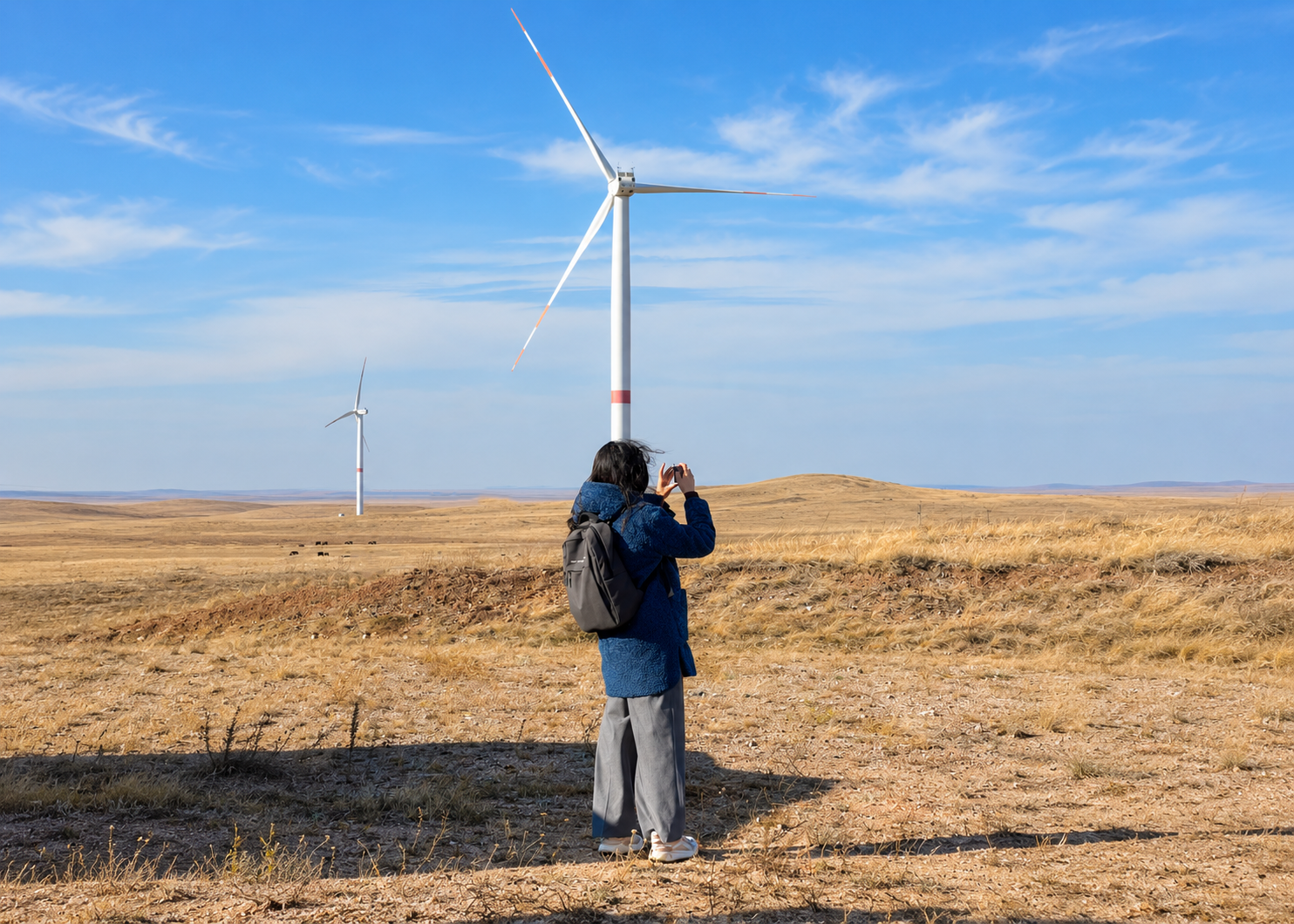
Samruk-Energy JSC has begun construction of one of Central Asia's largest wind farms, with a total installed capacity of 1 GW, in Zhambyl region. The project is being developed in partnership with Masdar, a global leader in renewable energy.
A capsule-laying ceremony marking the start of the future energy facility was held today. The ceremony was attended via videoconference by Nurlan Zhakupov, Chairman of the Management Board of Samruk-Kazyna JSC; Zhaslan Madiyev, Deputy Prime Minister and Minister of Artificial Intelligence and Digital Development of the Republic of Kazakhstan; Sungat Yessimkhanov, Vice Minister of Energy of the Republic of Kazakhstan; Yerbol Karashukeyev, Mayor of Zhambyl region; and Mohamed Jameel Al Ramahi, Chief Executive Officer of Masdar.
At the project site, Kairat Maxutov, Chairman of the Management Board of Samruk-Energy JSC, together with a representative of Masdar, officially launched construction. In his welcome address, Kairat Maxutov said the project would make a significant contribution to strengthening the resilience of Kazakhstan's power system and achieving Kazakhstan's strategic green economy goals.
"The total investment in the project amounts to approximately USD 1.4 billion. More than 100 wind turbines will be installed across an area of 440 hectares. The wind farm will generate approximately 3.4 billion kWh of electricity each year, providing 880,000 households with clean electricity. This, in turn, will significantly reduce electricity shortages in the southern regions and ensure a reliable electricity supply for businesses and residents of the region", - said Kairat Maxutov, Chairman of the Management Board of Samruk-Energy JSC.
The project will incorporate advanced technologies powered by artificial intelligence. Another key feature of the project is the integration of an electricity storage system, which will help offset the variability of wind generation and ensure stable power delivery to the grid.
The facility is scheduled to be commissioned in 2029.
An advanced video surveillance system powered by artificial intelligence has been deployed at Ekibastuz SDPP-1 named after B. Nurzhanov. More than 200 intelligent cameras have been installed across the plant to monitor compliance with occupational health and safety requirements around the clock and promptly detect abnormal situations.
The system automatically detects violations, analyses video feeds in real time, and instantly sends notifications to responsible personnel, indicating the location, time and nature of the incident. The solution includes facial recognition, speed monitoring, event logging, video analytics and automatic personnel notification.
An additional layer of oversight is provided by smart helmets capable of livestreaming video from work sites. To support the reliable operation of the digital infrastructure, a Wi-Fi network has been deployed throughout the plant, while round-the-clock monitoring is carried out through a dedicated operations center.
A key feature of the project is the system's self-learning capability. Specialists continuously analyze the algorithms' performance, validate correct detections and eliminate false alerts. This enables the artificial intelligence system to continuously improve its accuracy and enhances the effectiveness of operational safety monitoring.
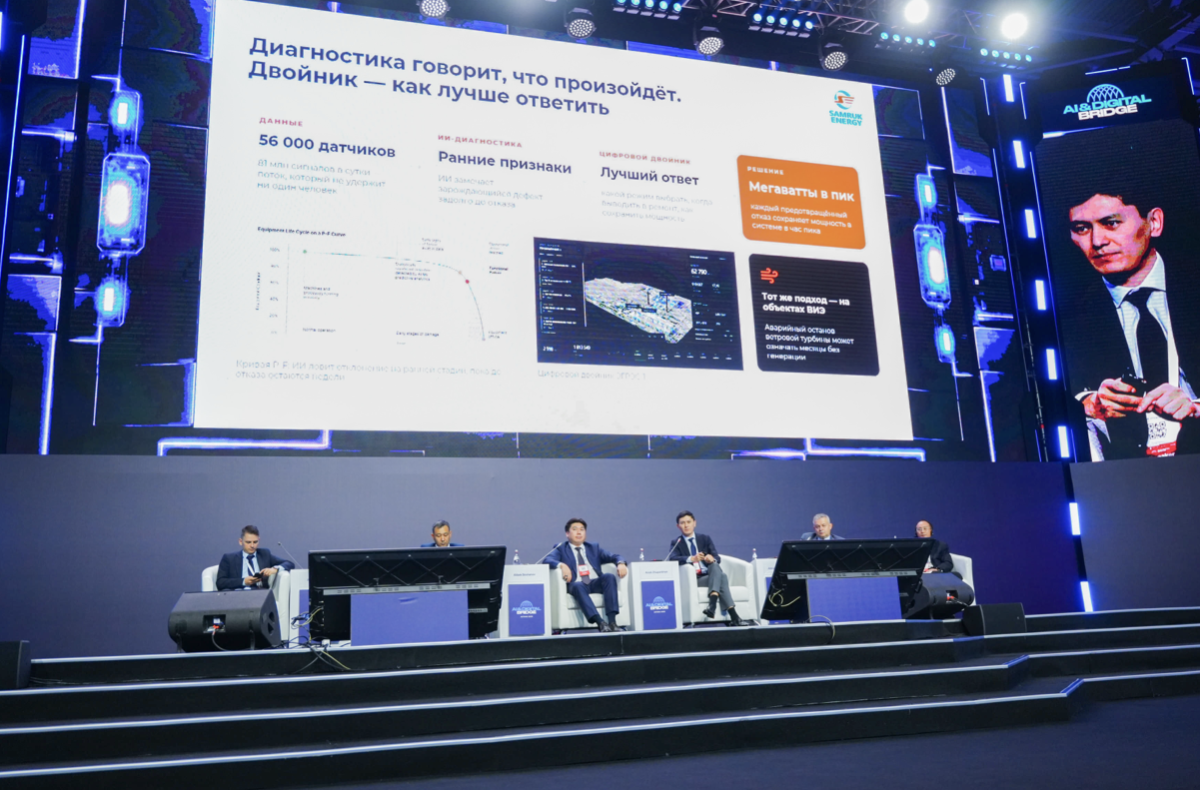
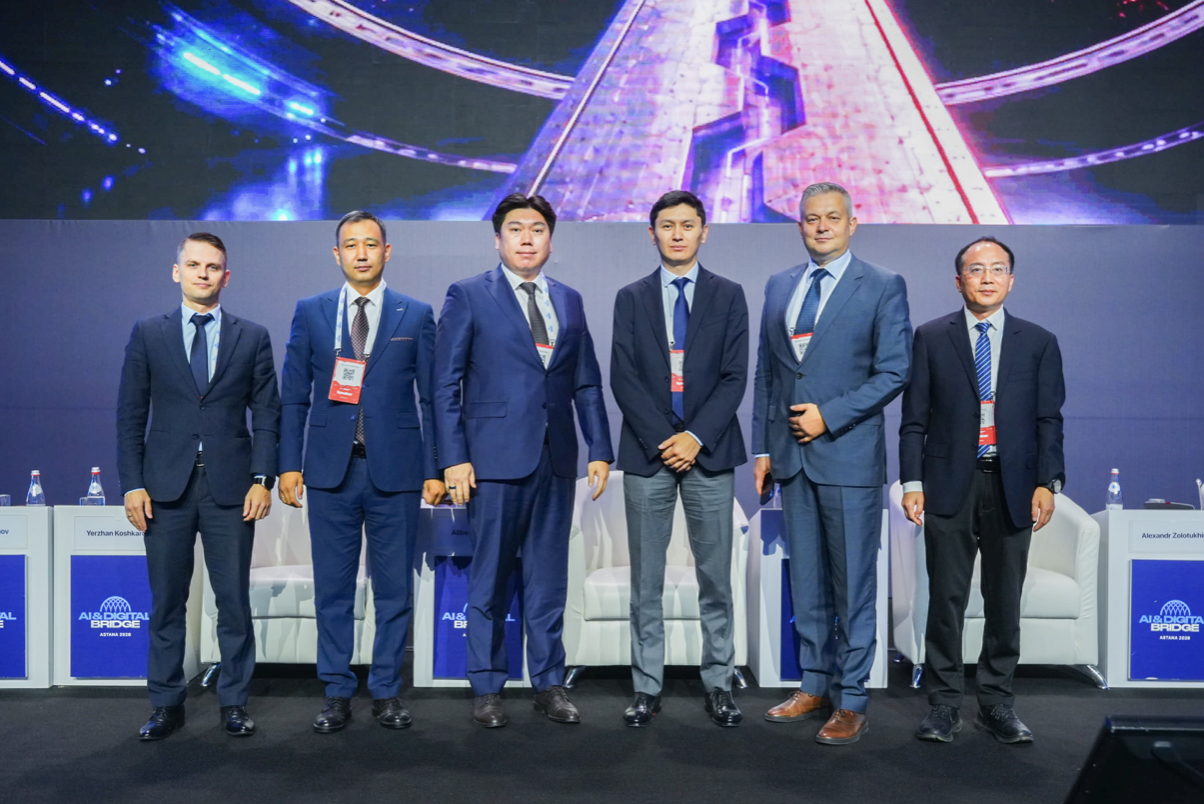
The deployment of these digital technologies marks another step by Ekibastuz SDPP-1 in advancing its industrial safety system and creating a safer working environment for its employees.
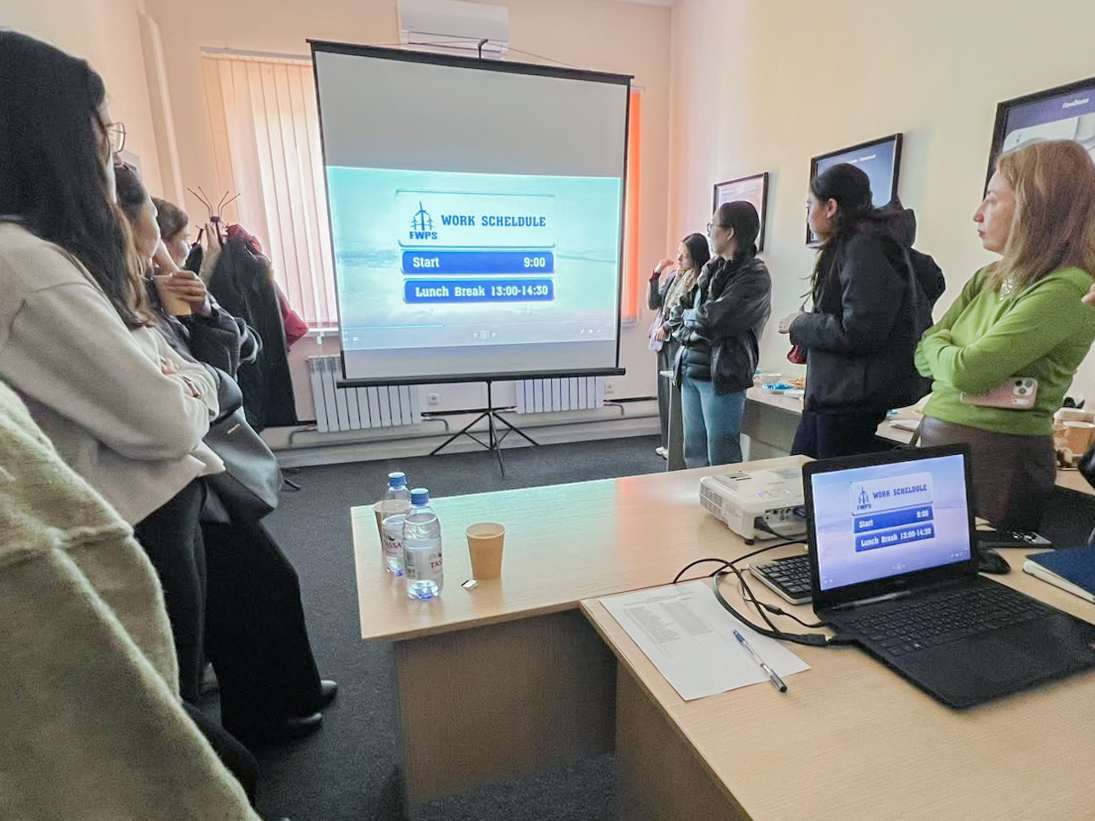
Samruk-Energy JSC held a training session for the Company's employees to raise awareness of the requirements of the Code of Conduct and recent amendments to the anti-corruption legislation of the Republic of Kazakhstan.
The training was organized by the Compliance Service of Samruk-Energy JSC as part of the Company's ongoing efforts to promote an anti-corruption culture and strengthen its corporate values.
During the session, participants were introduced to the key provisions of the Code of Conduct covering ethical behavior, the prevention of conflicts of interest, the prohibition of discrimination and harassment, respect for human rights, and the procedures for reporting potential violations.
Particular attention was given to the practical application of the Code of Conduct. Using examples from Kazakhstan's law enforcement practice, participants reviewed cases involving the offering and acceptance of unlawful material benefits, as well as the consequences of non-compliance with the anti-corruption legislation of the Republic of Kazakhstan.
The training forms part of Samruk-Energy JSC's ongoing efforts to foster a culture of integrity, strengthen the compliance function, and uphold high standards of corporate governance.
Samruk-Energy JSC continues preparations for the upcoming autumn-winter season. Launched in January 2026, the Group’s annual maintenance program is progressing in line with schedule.
This year, the program includes 111 overhauls of major equipment across the Group’s generating assets, comprising:
11 generating units;
14 turbine units;
51 boiler units;
33 hydro units; and
two sections of district heating pipelines.
The work covers key generating assets and is aimed at strengthening the reliability of electricity supply during periods of peak demand.
To date, around 45% of the scheduled maintenance activities have been completed. The remaining work is progressing as planned and is expected to be completed on schedule. Progress is being closely monitored to ensure timely completion.
Beyond major equipment overhauls, the campaign also extends to transmission and distribution assets. This year, maintenance activities cover 187.4 km of cable lines, 2,030 km of overhead transmission lines, 212 substations, 1,220 transformers and 1,000 distribution facilities.
The consistent implementation of the program will further enhance equipment reliability and ensure the readiness of the Group’s energy infrastructure for the autumn-winter season.