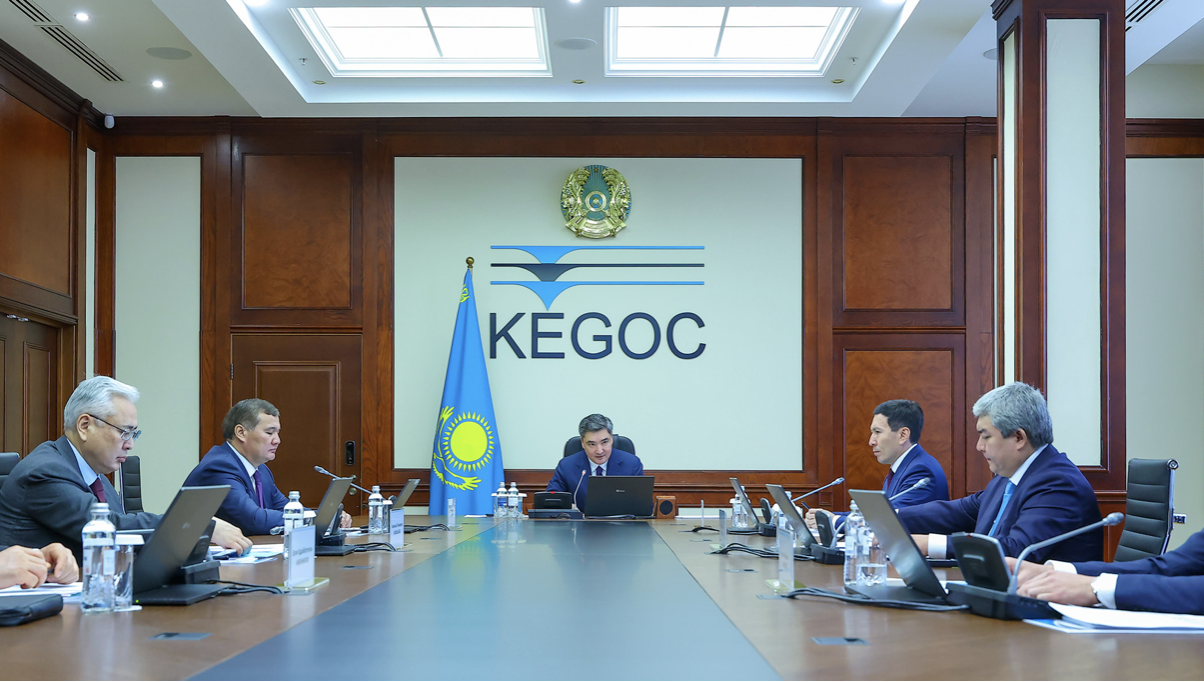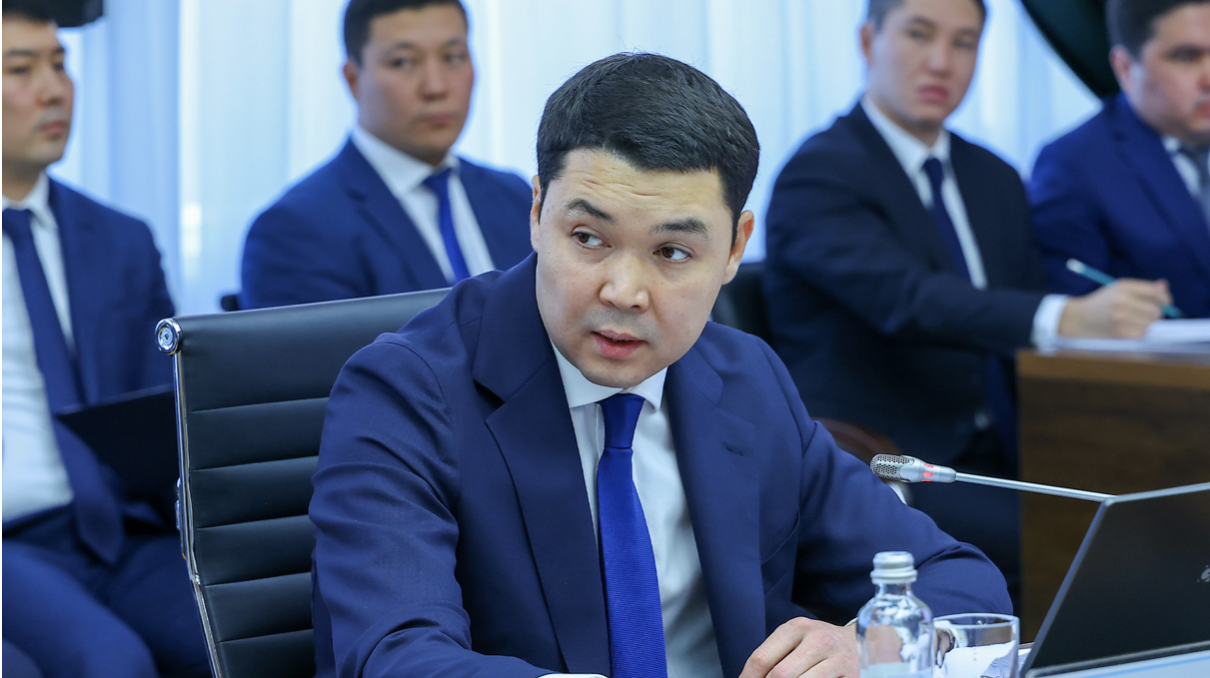


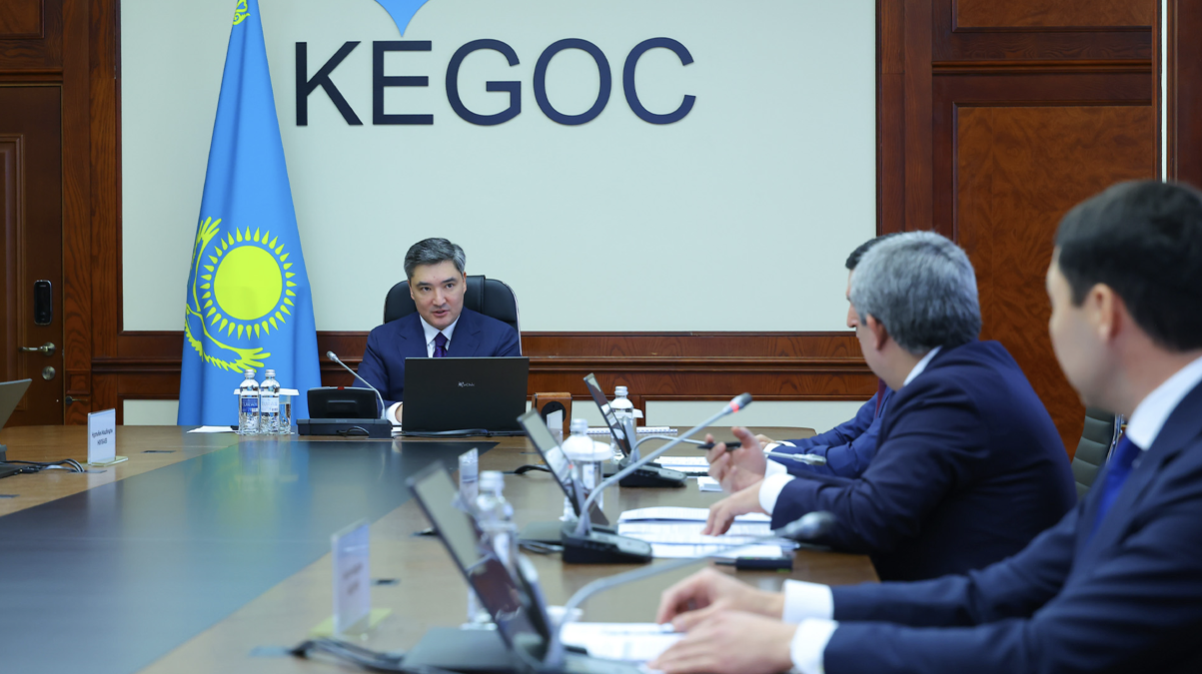
Prime Minister of the Republic of Kazakhstan Olzhas Bektenov held a meeting on pressing issues of the electric power industry. Projects of the Samruk-Kazyna Fund and measures to strengthen the country's energy sovereignty were reviewed.
“Head of State Kassym-Jomart Tokayev, in his Address to the People of Kazakhstan, declared 2027 the Year of Large-Scale Nationwide Construction. Against the backdrop of economic growth, the implementation of new industrial projects, and the accelerated development of digital infrastructure, the load on the power system will increase significantly. The task set by the Head of State to achieve a sustainable energy surplus by 2029 requires the complete synchronization of three areas: generation, electrical grids, and prospective consumption growth,” the Head of the Government emphasized.
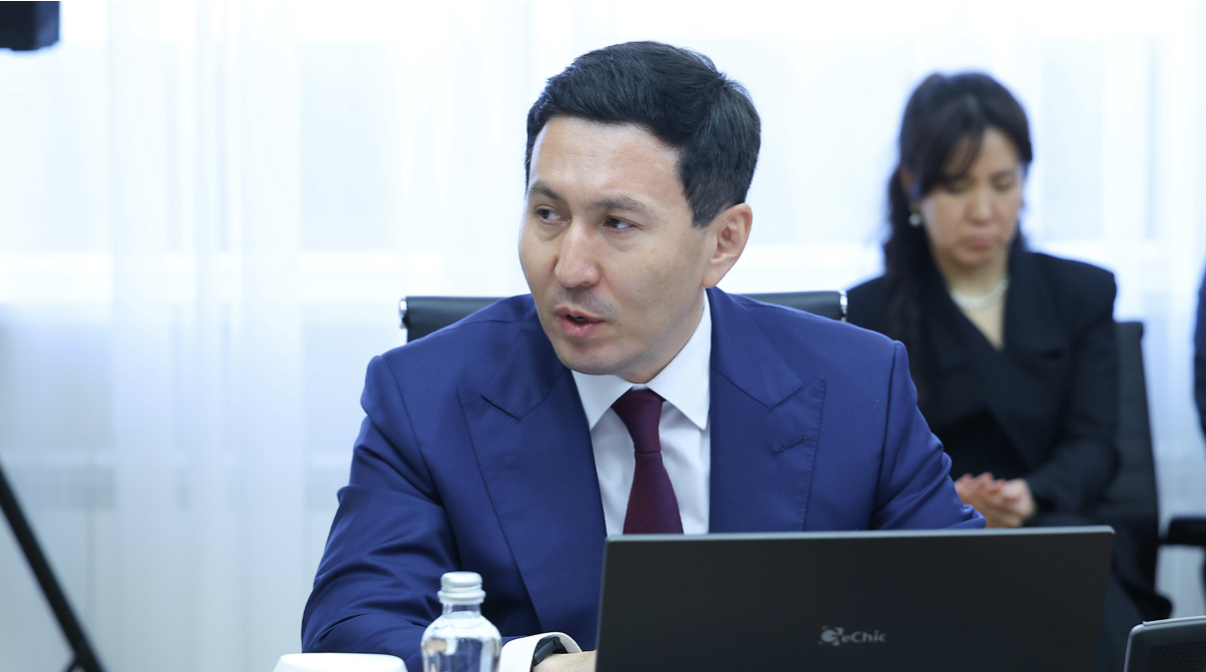
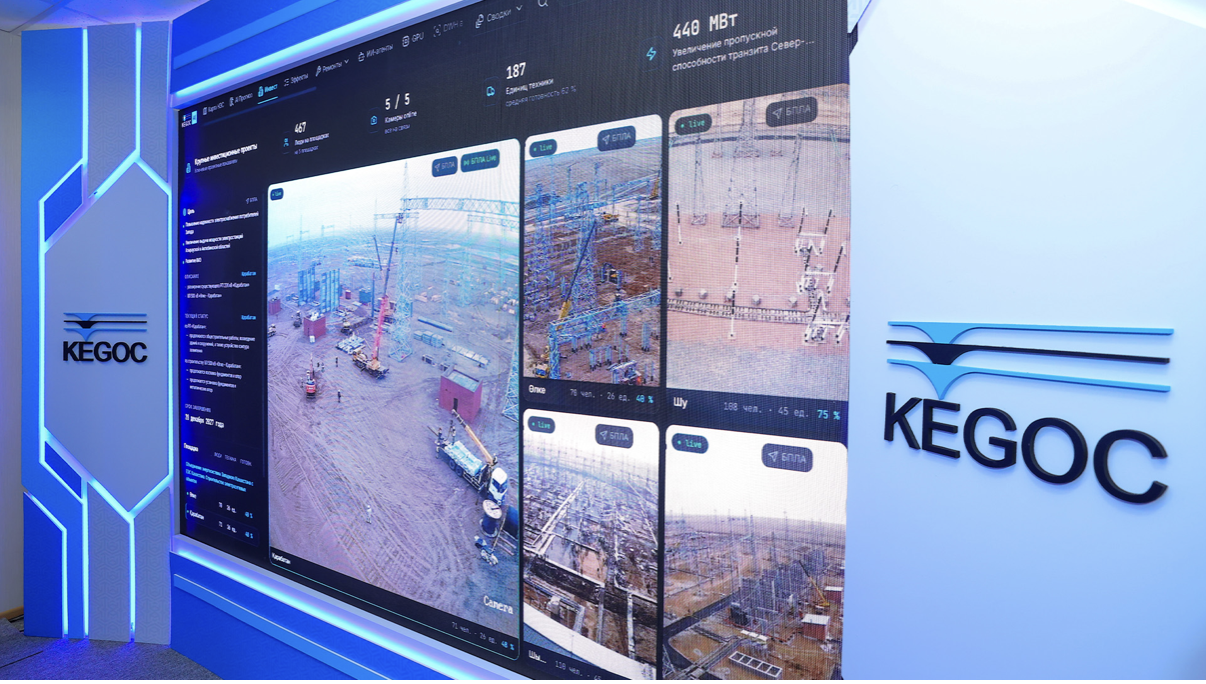
Nabi Aitzhanov, Chairman of the Management Board of KEGOC, reported on the current status of investment project implementation. Thus, the project to reinforce the electrical grid of the Southern Zone of the Unified Power System (UPS) of Kazakhstan will increase the throughput capacity of the Almaty – Zhambyl – Shymkent transit line by 440 MW. The commissioning date is set for July 2027. The implementation of the project will strengthen the reliability of power supply to the Southern Zone, as well as create additional conditions for the integration of renewable energy sources.
The project to unite the power system of Western Kazakhstan with the UPS of Kazakhstan is aimed at strengthening the region's energy independence and increasing throughput capacity up to 500 MW. Its implementation will enhance the reliability of power supply to the Western Zone, increase the output capacity of power plants in the Atyrau and Aktobe regions while substituting generation, and relieve load on the grids of the Aktobe power hub. Completion is scheduled for December next year. In addition, it is planned to implement the second stage of the project to unite the Western Zone with the UPS of Kazakhstan, with commissioning in 2035. It will complete the ring closure of the power system with high-voltage lines.
Plans for the development of electrical grids in the Almaty and Zhetysu regions were also reported in order to create conditions for the development of hydropower and the connection of new RES facilities.
The aforementioned projects are aimed at solving key tasks: ensuring reliable power supply to the South and West, strengthening the unity of the country's power system, and enhancing the energy sovereignty of Kazakhstan.
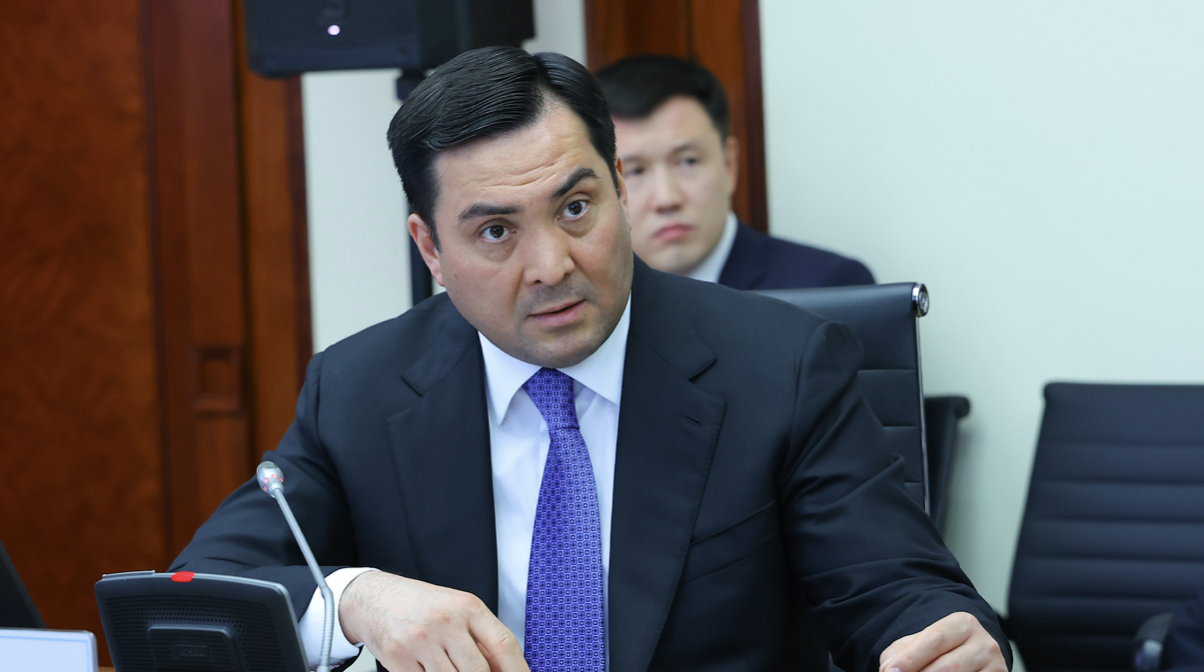
At the meeting, Ansar Aidarov, Chairman of the Management Board of Samruk-Energy JSC, was heard regarding plans to step up efforts taking into account the criticism of the Head of State. Attention was focused on the measures taken to ensure the quality of work and strict compliance with the schedules for the construction and commissioning of new generating capacities.
Progress was reported on the modernization of Almaty CHP-2, the reconstruction of Almaty CHP-3, the construction of CHPs in Kokshetau and Semey, the expansion of Ekibastuz GRES-2, the construction of CCGT plants in the Kyzylorda and Turkestan regions, as well as the development of RES with energy storage systems and hydro generation projects.
Following the meeting, the Prime Minister noted that the development of the National Electrical Grid must be carried out at an accelerated pace to cover growing consumption. The Ministry of Energy, together with responsible government agencies and organizations, was instructed to ensure the completion of the country's energy balance updating by September next year. A number of instructions were given to tighten control over the timely implementation of investment projects in the electric power industry.
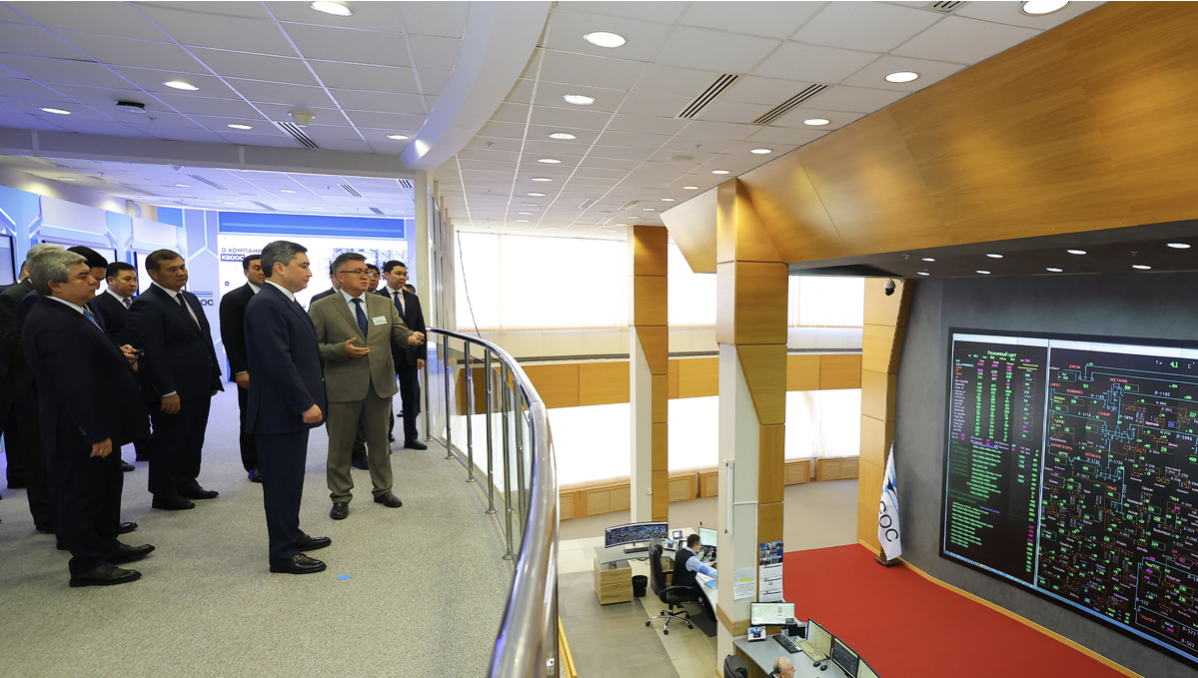
At the site of KEGOC, the head of the Government also familiarized himself with the ongoing work to prepare the national electrical grid for the autumn-winter period and held a meeting on the issue of further strengthening the country's energy sovereignty. According to KEGOC, the implementation of digital technologies and AI will provide an annual financial effect of 5.5 billion tenge, or about 3% of EBITDA, due to the optimization of power flows and the reduction of losses. At the same time, connecting power plants to automatic frequency and active power control will provide an additional saving of about 4 billion tenge annually.
At the National Dispatch Center, the management operations of the power system were demonstrated, and plans were presented for the implementation of new digital solutions to increase the efficiency of industry management and reduce grid losses. Attention was paid to digital technologies and the implementation of artificial intelligence, as well as updating the dispatch control system based at KEGOC. The Center tracks the balance of power generation and consumption, and controls the equipment of all 83 KEGOC substations. The updating of more than 50,000 indicators makes it possible to promptly eliminate emergency situations. For example, since the beginning of the year, more than 70 cases of sharp load surges were recorded on the "North – South" transit line, 95% of which were eliminated without power disconnections for residents. The intelligent platform AI-KEGOC forecasts power generation and consumption a day in advance across 21 power hubs and 169 RES facilities. Digital monitoring and system control systems based on synchrophasor measurements made it possible to increase the throughput capacity of the key "North – South" energy bridge by 250 MW — comparable to the power consumption of an entire city — without the cost of constructing new facilities, as well as to reduce losses.